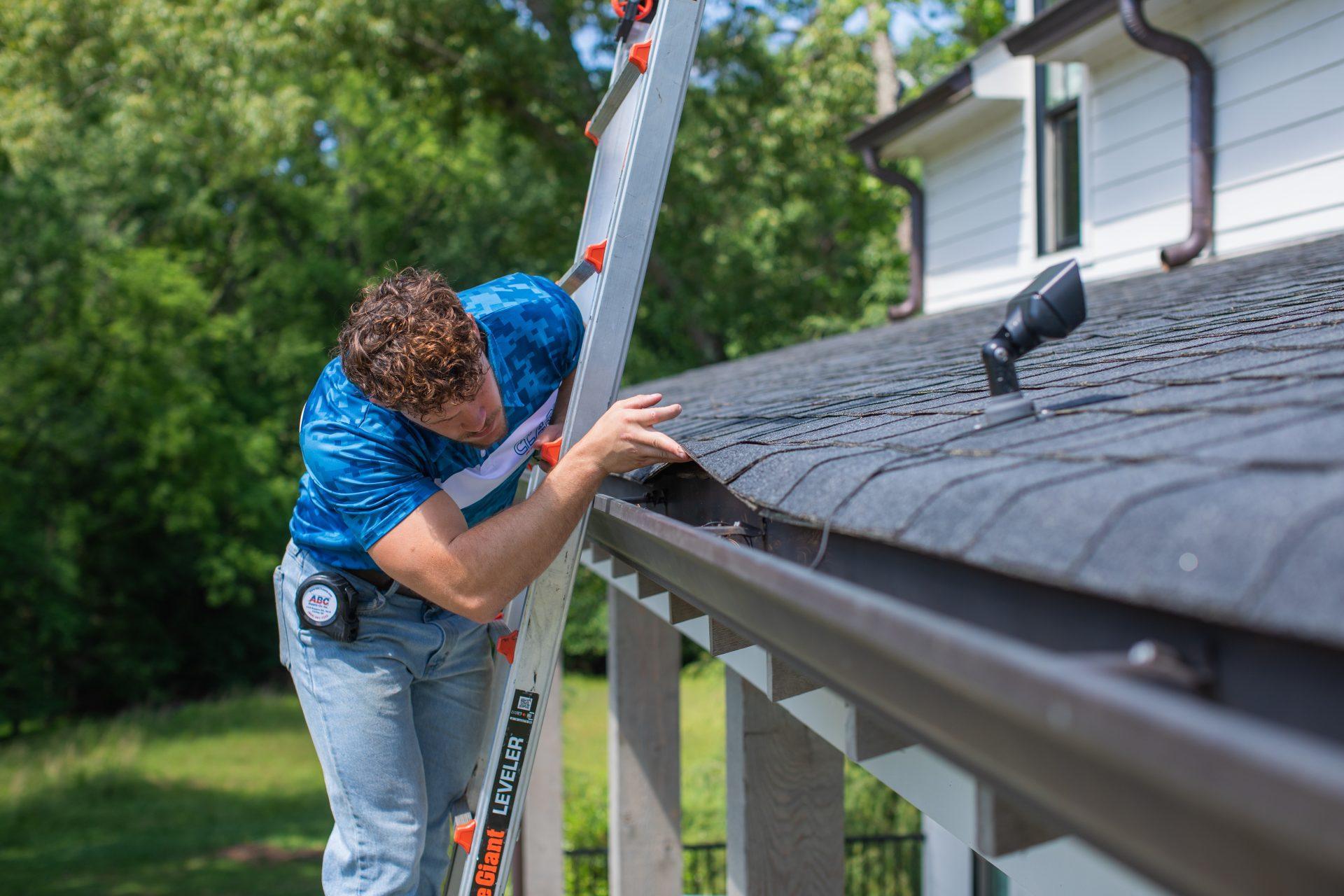
Storms are a regular part of life in Georgia, and while many pass without major issues, even a brief storm can weaken parts of a roofing system. Wind, hail, and heavy rain often create damage that is difficult to see from the ground.
Because of this, many homeowners only discover roofing problems after water stains appear on the ceiling or leaks develop inside the home.
A professional roof inspection after a storm can help identify these issues early. By catching small problems before they worsen, homeowners can often prevent more extensive storm damage repairs later.
At Clark Brothers Roofing & Construction, inspections frequently reveal early signs of storm-related damage that homeowners were not aware of. Understanding how these inspections work and why they matter can help protect both your roof and your home.
Why Storm Damage Often Goes Unnoticed
One of the biggest challenges with roof damage is that many issues are not immediately visible.
Wind can lift shingles slightly without tearing them off. Hail can bruise roofing materials without creating a hole. Flashing around vents or chimneys can loosen just enough to allow water to enter over time.
From the ground, the roof may appear completely intact.
According to the National Weather Service severe thunderstorm safety guidance, Georgia storms can produce strong winds and hail capable of damaging roofing systems and other exterior structures.
Because these types of damage are subtle, homeowners often do not realize a problem exists until weeks or months later.
How Professional Roof Inspections Work
A professional roof inspection looks at much more than the surface of the shingles.
Roofing professionals evaluate multiple areas that could allow water into the home, including:
- shingle condition and wind damage
• flashing around vents, skylights, and chimneys
• roof valleys and transition points
• gutter and drainage systems
• attic ventilation and moisture levels
By examining both the roof exterior and attic space, inspectors can identify early warning signs that may not yet be visible inside the home.
If you want to understand what a professional inspection involves, you can learn more about the Clark Brothers complimentary roof inspection process.
Small Roofing Problems That Can Become Major Storm Damage
Minor roofing issues may not seem urgent at first, but storms can quickly turn them into larger problems.
For example, a single lifted shingle may not leak during mild weather. However, during a heavy rainstorm, water can enter beneath the roofing materials and travel into the attic.
Other common examples include:
- cracked or deteriorating flashing
• clogged gutters that cause water backup
• loose ridge caps or vent seals
• minor hail bruising on shingles
Over time, these small issues can lead to interior water damage, insulation problems, or structural wood rot if they are left unaddressed.
This is why professional inspections play an important role in preventing larger storm-related repairs.

How Roof Inspections Help Prevent Expensive Repairs
A roof inspection is not just about identifying existing damage. It can also reveal conditions that may lead to larger problems during the next storm.
For example, a small flashing repair may cost very little if it is caught early. If the issue goes unnoticed, however, the same problem could eventually lead to interior drywall damage, mold growth, and insulation replacement.
Similarly, replacing a few damaged shingles is far simpler than repairing widespread roof leaks caused by storm-driven rain.
By identifying these issues early, inspections help homeowners address small problems before storms make them worse.
If you are considering having your roof evaluated, it can also be helpful to understand what questions to ask a roofing contractor before scheduling an inspection so you know what to expect during the process.
When Homeowners Should Schedule Roof Inspections
While inspections can be helpful at any time, there are several situations when they are especially valuable.
Homeowners often schedule inspections:
- after severe storms with hail or strong winds
• before storm season begins
• when a roof is more than 10 years old
• when buying or selling a home
• when interior signs of moisture appear
Regular inspections help homeowners stay ahead of roofing issues and maintain the long-term health of the roof.
How Clark Brothers Inspections Help Identify Storm Damage
Professional inspections provide homeowners with a clearer understanding of their roof’s condition.
The Clark Brothers team evaluates roofing systems carefully and documents any storm-related damage that may be present. This process helps homeowners determine whether repairs may be needed and what steps should be taken to protect the home moving forward.
Because storm damage can develop slowly over time, inspections provide valuable insight into issues that may not yet be visible inside the house.
What Homeowners Should Remember
Storm damage often begins with small roofing issues that are easy to overlook. While these problems may not cause immediate leaks, they can worsen quickly when the next storm arrives.
Professional roof inspections help identify these issues early, giving homeowners the opportunity to address minor damage before it turns into more expensive repairs.
If you believe your home may have experienced recent storm activity, a professional inspection can help clarify the condition of your roof and identify any potential risks.
For more information about storm-related roofing damage and the repair process, homeowners can also explore the Clark Brothers Storm Damage Roof Repair Guide.