Most commercial roof failures don’t happen overnight. They build slowly, a small seam separation here, a spot of ponding water there, and by the time water shows up on the ceiling inside the building, the damage has usually been developing for months. The challenge for property managers and business owners isn’t spotting a roof that has already failed. It’s recognizing the signs early enough to make a planned decision instead of an emergency one.
Here’s what to actually watch for, and how to know when it’s time to talk about replacement instead of another repair, as we deep dive into the telltale signs you need a new commercial roof.
Exterior Signs Worth Taking Seriously
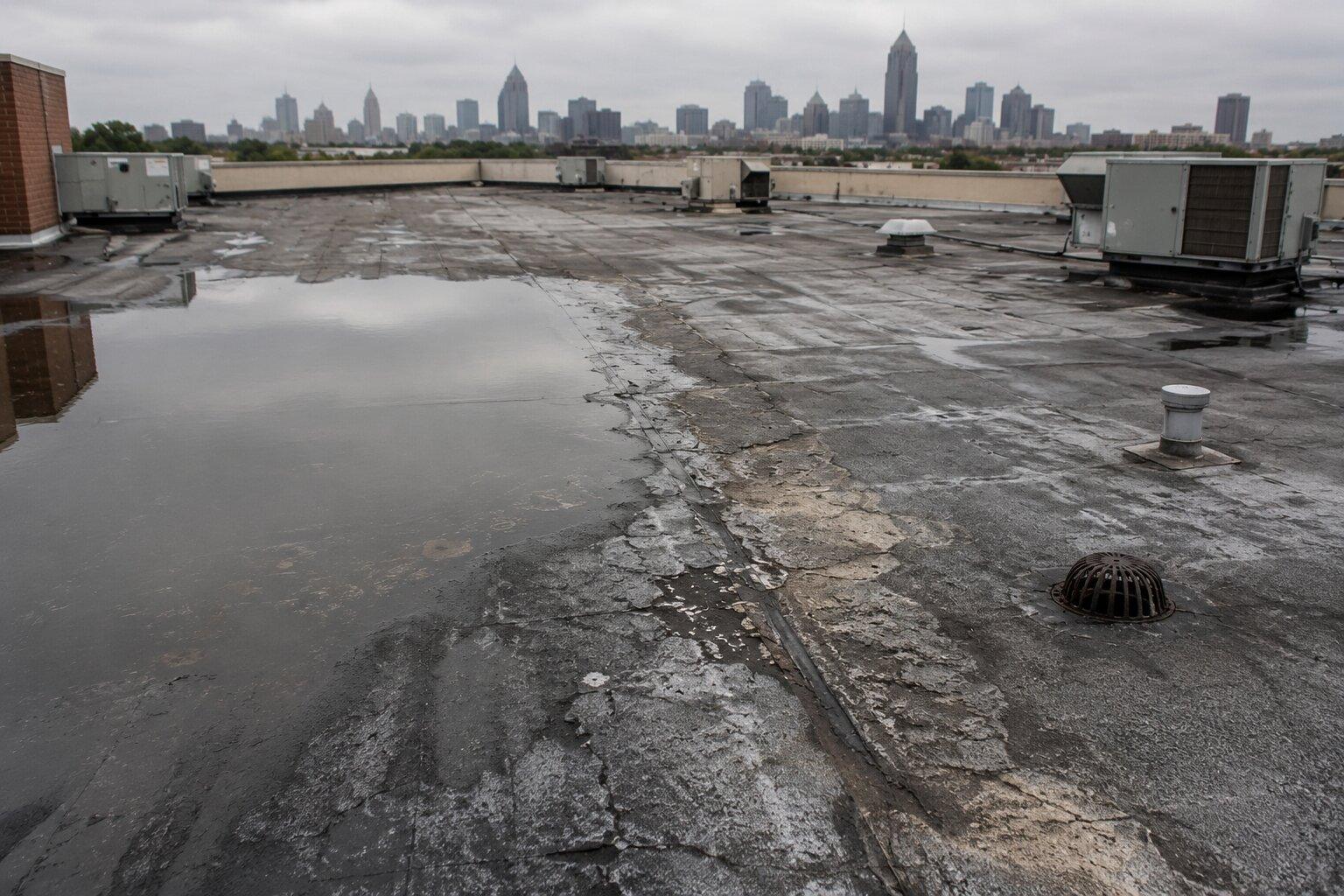
Ponding water. Water that sits on a flat or low-slope roof for more than 48 hours after rain is a sign that drainage isn’t working the way it should. Over time, standing water accelerates membrane breakdown and adds weight that the roof structure wasn’t designed to hold.
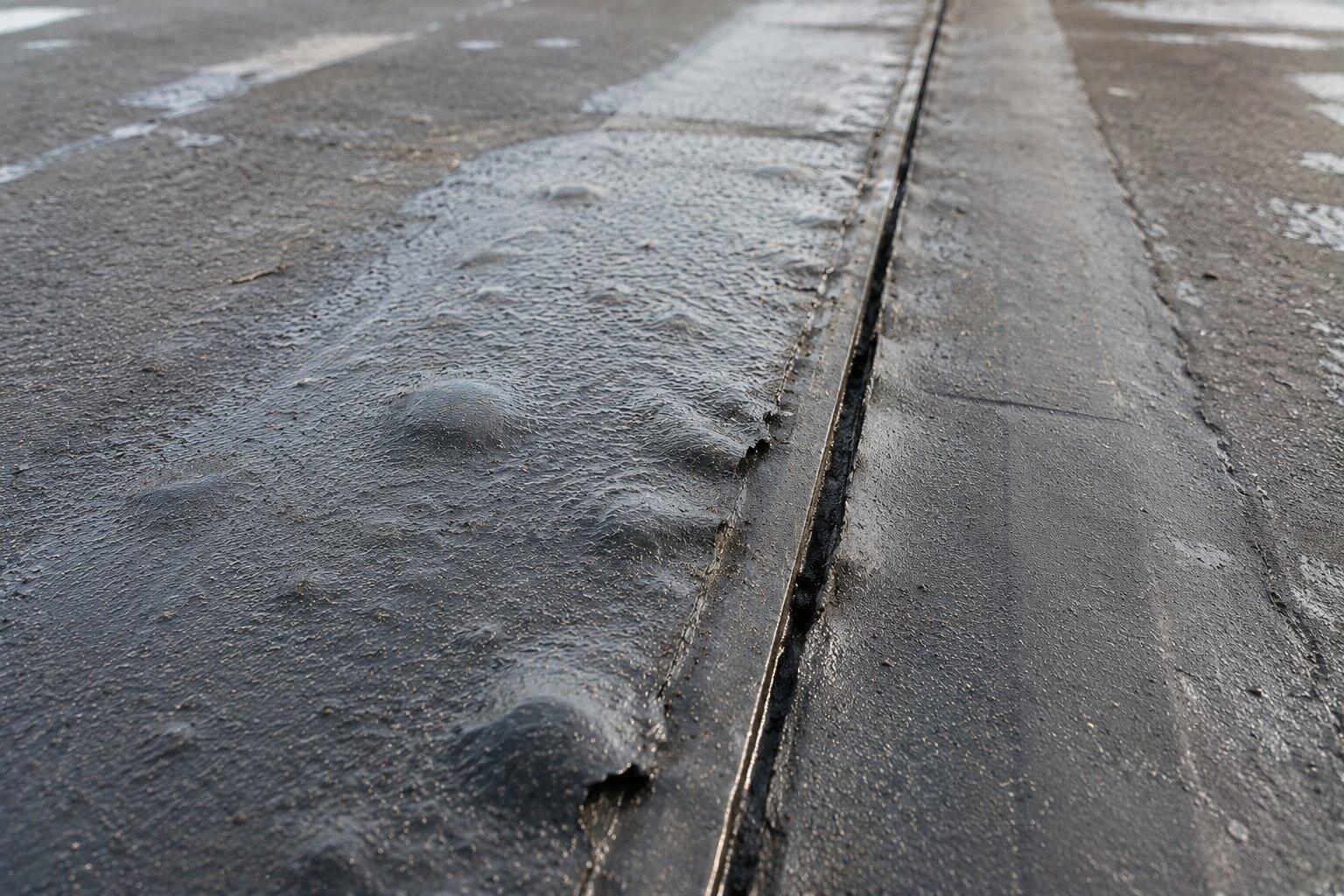
Blistering, cracking, or bubbling membrane. These are signs that moisture has already worked its way into the roofing system or that the material itself is breaking down from age and UV exposure.
Seams that are separating or lifting. Seams are the most common failure point on TPO, EPDM, and PVC roofing systems. A seam that’s starting to pull apart is rarely an isolated issue. It’s usually a sign that the rest of the seams on the roof are aging at a similar rate.
Granule loss or exposed felt. On built-up or modified bitumen roofs, bald patches where granules have worn away expose the roof to UV damage and accelerate deterioration in that area.
Interior Signs That Point Back to the Roof
Not every warning sign shows up outside. Some of the clearest indicators appear inside the building, often before anyone thinks to look at the roof:
- Ceiling stains or discoloration, especially ones that reappear after cleaning
- A musty or damp odor in the space directly below the roofline
- Noticeably higher energy bills, which can point to failing insulation beneath a compromised roof membrane
- Visible moisture or mold near rooftop HVAC penetrations

Age and Repair History
Every commercial roofing system has a general life expectancy, but two other factors matter just as much as age: how well the roof was maintained, and how often it’s needed repairs recently. A roof nearing the end of its expected lifespan that has also needed two or three repairs in the same area within the last year or two is usually telling you something. At a certain point, continuing to patch the same section costs more over time than planning a replacement on your terms.
Repair or Replace? How to Think About It
Not every sign on this list means the roof needs to come off. A single isolated issue, one lifted seam or one area of minor ponding, is often a repair, not a replacement. The signal to take more seriously is when problems are widespread, recurring, or clustered near the end of the roof’s expected service life. This is exactly why a professional inspection matters before any decision gets made. It gives you an honest answer instead of a guess.
What This Looks Like With Clark Brothers
A professional commercial roof inspection is the fastest way to get a clear, honest answer about where your roof actually stands. Our team documents what we find, walks you through what it means in plain terms, and lays out whether repair or replacement makes more sense for your building and your budget. No pressure to replace something that can still be repaired, and no false confidence in a roof that’s already telling you it’s done.
Frequently Asked Questions
How long does a commercial roof typically last?
It depends on the system, but most commercial roofs last between 15 and 30 years with proper maintenance. TPO and EPDM systems tend to fall on the shorter end of that range, while built-up and metal systems can last longer.
Can a commercial roof be repaired instead of replaced?
Often, yes, especially if the damage is isolated and the roof isn’t near the end of its expected lifespan. A professional inspection is the best way to know which option actually makes sense.
What happens if I ignore signs of roof damage?
Small issues tend to compound. A minor leak can lead to interior damage, mold, damaged insulation, and higher energy costs, and what would have been a repair often becomes a full replacement.
How much does a commercial roof replacement cost?
Cost varies widely based on roof size, system type, and the condition of the deck underneath. A written estimate following an on-site inspection is the only way to get an accurate number for your building.
How often should a commercial roof be inspected?
Most commercial roofs benefit from at least one professional inspection per year, plus an additional check after any major storm.
Does ponding water always mean I need a new roof?
Not necessarily. Ponding can sometimes be resolved by correcting drainage issues. But if it’s a recurring problem across multiple areas, it’s often a sign the roof’s overall condition needs a closer look.
Final Thoughts
Catching the signs early is what turns a roof replacement into a planned project instead of an emergency. If any of this sounds familiar, ponding water, recurring repairs, a ceiling stain that won’t go away, it’s worth getting a straight answer before it becomes a bigger problem. Our team offers a complimentary inspection to help you understand exactly where your roof stands.