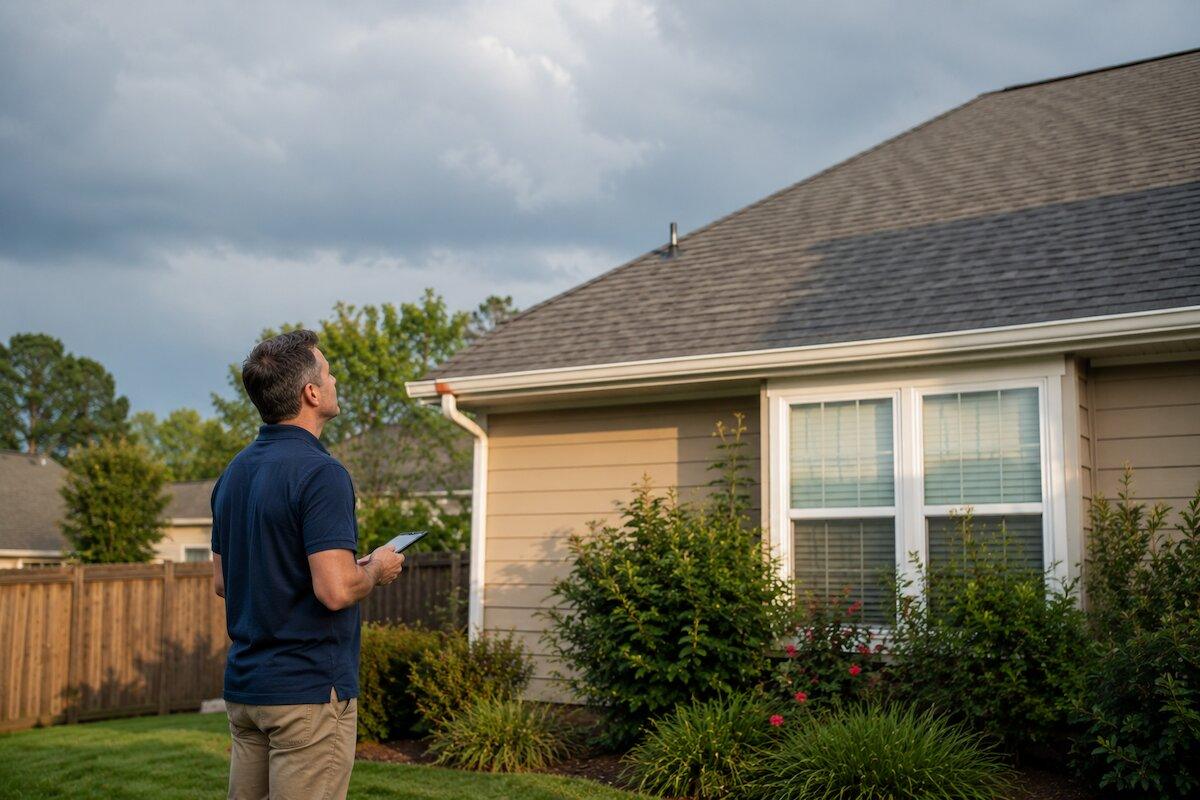
Georgia storms don’t give much warning. One afternoon, the sky is clear. By evening, hail is coming down, and wind is pushing against everything attached to your home.
Most homeowners think about storm damage after it happens. The roof leaks, the call gets made, and repairs begin. But the homeowners who come through storm season with the least stress and the lowest repair bills are the ones who spent a little time preparing before the weather turned.
Roofing emergency preparedness isn’t complicated. It’s a few intentional steps taken before the season arrives so that if a storm does hit, you already know the condition of your roof, you have your documents in order, and you have someone you trust ready to call.
This guide walks you through exactly what to do.
Why Roofing Emergency Preparedness Matters More in Georgia
Metro Atlanta and North Georgia see significant storm activity between spring and late summer. Thunderstorms, hail events, and occasional high-wind systems move through the region regularly during this stretch.
The challenge is that roofs often suffer damage that isn’t immediately visible from the ground. A hail strike can bruise a shingle, compromise its granule layer, and create a slow leak that doesn’t show up inside your home for weeks. Wind can lift flashing at the edge of a chimney without pulling it completely free. These issues go unnoticed until water finally finds its way in.
A homeowner who had their roof inspected before storm season knows the baseline condition of their roof. They know whether any existing vulnerabilities were there before the storm. That documentation matters a great deal if an insurance claim becomes necessary.
A homeowner who skipped the prep work is starting from a much harder position.
Step 1: Get a Professional Roof Inspection Before Storm Season
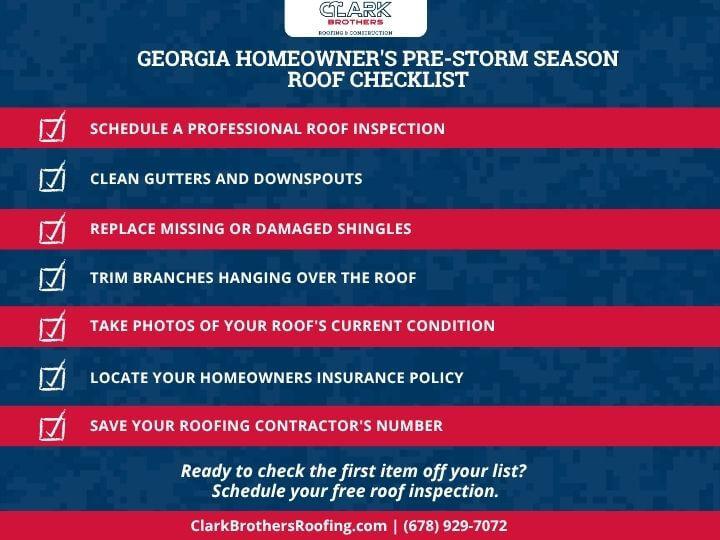
The most important part of roofing emergency preparedness is getting a professional inspection before storm season arrives. Not a visual check from the driveway. A real inspection by someone who gets on the roof and knows what they are looking for.
A professional inspection will identify:
- Missing, cracked, or curling shingles
- Damaged or improperly sealed flashing around chimneys, vents, and skylights
- Granule loss on asphalt shingles, which signals aging or previous hail contact
- Soft spots or sagging that may indicate moisture in the decking
- Gutter condition and how well water is being directed away from the roofline
- Any prior repairs that may not have been completed correctly
Knowing what you’re working with before a storm hits gives you options. Minor issues identified in April are much easier and less expensive to address than the same issues discovered in July after two months of rain have made them worse.

Step 2: Handle Small Maintenance Items Before the Season Starts
If the inspection turns up minor issues, take care of them before storm season rather than putting them off. Small problems have a tendency to become larger ones once water is involved.
The most common maintenance items that come up during pre-season inspections:
- Cleaning gutters and downspouts so water drains freely away from the home
- Resealing flashing that has begun to lift or pull away from adjoining surfaces
- Replacing individual damaged or missing shingles before they allow water to reach the decking
- Trimming tree branches that hang over or touch the roof, which can cause abrasion damage and create debris accumulation
- Checking attic ventilation to ensure moisture isn’t building up in the structure
None of these tasks are dramatic or expensive when addressed early. The cost of a few hours of maintenance work before storm season is a fraction of what water damage inside a home costs after a storm.
Step 3: Get Your Documents Together Before You Need Them
One of the most overlooked parts of roofing emergency preparedness is paperwork. When you need it, you really need it, and searching for documents during or after a major storm is not a situation you want to be in.
Before storm season, gather and store the following in a place you can access quickly:
- Your homeowners’ insurance policy, including your coverage details and claims contact number
- Photos of your roof in its current condition, ideally taken right after a professional inspection
- Records of any prior repairs, including the contractor who did the work and the date it was completed
- Your roofing warranty documents, if applicable
- Contact information for a roofing contractor you’ve already vetted and trust
That last item matters more than most homeowners realize. After a significant storm event in Metro Atlanta, roofing contractors get busy fast. Homeowners who already have a trusted contractor’s number in their phone are in a much better position than those scrambling to find someone reliable when every roofer in the area is already booked.
Before storm season arrives, it helps to have everything in one place. Download our free Emergency Storm Readiness & Response Guide, a complete resource built specifically for Metro Atlanta and North Georgia homeowners.
Step 4: Know What to Do Immediately After a Storm
Even with a well-maintained roof, a severe storm can cause damage. Knowing what steps to take right after a storm passes is part of being prepared.
The immediate priorities are safety and documentation. Do not get on your roof after a storm. Walk the perimeter of your property from the ground and note anything that looks different: visible shingle damage, debris on the roof, gutters that have shifted, or any interior signs like ceiling stains or water intrusion.
Photograph everything before anything is touched or moved.
Then contact your roofing contractor to schedule an inspection. A professional post-storm inspection can identify damage that isn’t visible from the ground and document the condition of the roof before any repair work begins. That documentation is important if an insurance claim is needed.
If storm damage has already occurred and you’re not sure what to do next, our emergency roof repair guide walks through the immediate steps for protecting your home after a storm.
How Roof Age Affects Storm Risk
Not all roofs carry the same risk, and roofing emergency preparedness looks different depending on your roof’s age and condition.
A standard asphalt shingle roof in Georgia has a lifespan of roughly 20 to 25 years under normal conditions. As a roof approaches the end of that range, shingles become less flexible and more prone to cracking, granule loss accelerates, and the system’s ability to shed water effectively declines.
This doesn’t mean an older roof will fail in the next storm. But it does mean the risk is higher, and the case for a professional inspection before storm season is stronger.
If your roof is more than 15 years old, it’s worth having someone evaluate it with that context in mind. Understanding its current condition helps you make an informed decision about whether maintenance, repair, or eventual replacement makes sense for your situation.
Frequently Asked Questions
When is the best time to schedule a pre-storm inspection in Georgia?
Early spring is ideal for roofing emergency preparedness. It gives you time to address any issues before the most active part of Georgia’s storm season, which typically runs from late spring through summer.
Does a new roof still need a pre-storm inspection?
A newer roof carries less risk, but an inspection is still worthwhile if you haven’t had one recently. Installation issues, improper flashing, or damage from a prior storm you weren’t aware of can affect any roof, regardless of age.
Can I do a roof inspection myself?
You can do a visual check from the ground and note anything obviously out of place. But a ground-level check won’t catch the issues that cause most leaks: damaged flashing, granule loss, and soft spots in the decking aren’t visible without getting on the roof. A professional inspection is the more reliable approach.
How long does a roof inspection take?
Most residential roof inspections take between 45 minutes and an hour and a half, depending on the size and complexity of the roof.
Does homeowners’ insurance cover storm damage to my roof?
Storm-related damage is commonly covered under standard homeowners insurance policies, though coverage depends on the specific policy and the cause of the damage. Having documentation of your roof’s pre-storm condition is helpful when a claim is filed.
The homeowners who come through storm season with the least damage and the lowest repair bills are the ones who took roofing emergency preparedness seriously before the weather arrived. A little time before the season starts goes a long way.
If you’d like to schedule a complimentary roof inspection, the Clark Brothers team serves homeowners throughout Metro Atlanta and North Georgia. We’ll walk through the condition of your roof, flag anything worth addressing, and give you an honest picture of where things stand. For more on what to do if storm damage has already occurred, visit our Storm Damage Roof Repair Guide.