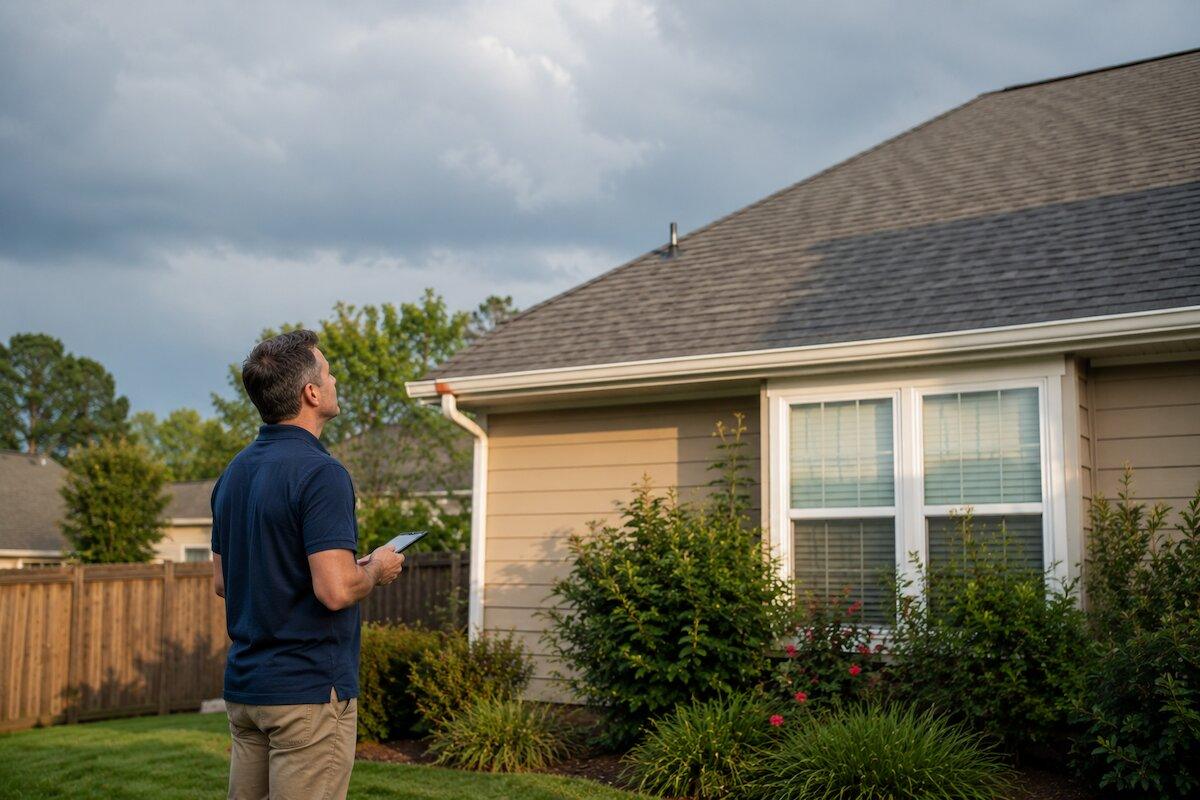

Cumming and the broader Forsyth County area get hit with hail more often than most homeowners realize. Not every storm makes the news, but even small hail events can do real damage to a roof over time, especially on systems that are already showing age or wear.
If you have been wondering whether your roof is equipped to handle what Georgia storms bring, or if you are replacing a roof and want to make a smarter material choice, this guide walks through what actually matters when it comes to hail resistant roofing in Cumming, GA.
Why Hail Is a Bigger Problem in North Georgia Than People Expect
Georgia sits in a region that sees a meaningful number of hail-producing storms each year. The National Weather Service tracks severe weather events across the state, and Forsyth County regularly appears in those reports during the spring and early summer storm season.
The challenge with hail damage is that it is not always immediately obvious. Small hail may not crack a shingle or cause a visible leak right away. What it does is knock granules loose from the shingle surface, bruise the underlying mat, and compromise the material’s ability to shed water and resist UV exposure over time.
A roof that takes a moderate hail hit in April may not show interior water damage until the following winter. By then, homeowners often have no idea the two are connected.
That delayed timeline is one reason hail damage is frequently underestimated, and one reason choosing the right hail resistant roofing in Cumming, GA matters as much as it does in this part of Georgia.
What Makes a Roof Good at Handling Hail
Not all roofing materials perform the same way under impact. Understanding what separates hail resistant roofing from a standard system helps homeowners make a more informed decision when it is time to repair or replace.
The Class 4 Impact Resistance Rating
The most important benchmark for hail-resistant roofing is the Class 4 impact resistance rating, established by Underwriters Laboratories under the UL 2218 standard. This test involves dropping a two-inch steel ball from specific heights onto roofing samples and evaluating whether the material cracks or splits.
Class 4 is the highest rating available. Shingles that earn a Class 4 designation have demonstrated the ability to absorb impact without cracking under those test conditions.
It is worth noting that Class 4 rated does not mean hail-proof. It means the material has been tested to a higher performance standard than conventional options. In practice, Class 4 shingles consistently outperform standard shingles in hail events and tend to show significantly less granule loss over time.
For homeowners researching hail resistant roofing in Cumming, GA, this is the single most important specification to understand.
Impact Resistant Shingles
Impact-resistant shingles are asphalt shingles manufactured with a modified composition designed to absorb and disperse impact energy rather than crack or fracture under it. Most use a rubberized polymer or modified SBS (styrene-butadiene-styrene) layer in the shingle body that adds flexibility and toughness.
For homeowners in Cumming, impact-resistant shingles offer a practical path to better hail protection without moving away from asphalt entirely. They look like standard architectural shingles, they are installed the same way, and they are available from major manufacturers, including CertainTeed, GAF, and Owens Corning.
One additional benefit worth knowing: many Georgia homeowners with Class 4 rated shingles qualify for a discount on their homeowners’ insurance premiums. It is worth contacting your insurance provider before finalizing a material selection, because in some cases, the premium savings can meaningfully offset the higher upfront cost of hail resistant roofing.
Metal Roofing
Standing seam metal roofing is another strong option for hail performance. Metal roofs do not lose granules, do not crack under impact, and can last 40 years or more with minimal maintenance.
For homeowners comparing long-term options, metal is one of the most durable forms of hail resistant roofing in Cumming, GA.
Standard Architectural Shingles
Standard 30-year architectural shingles are the most common roofing material on homes throughout Cumming and Forsyth County. They perform adequately in mild to moderate weather but are not engineered for impact resistance.
In a significant hail event, standard architectural shingles are more likely to suffer damage compared to true hail resistant roofing systems.
What to Do If Your Cumming Roof Has Already Been Hit by Hail
If your area experienced a hail event recently, or if your roof is more than a few years old and has never been inspected after a storm, a professional inspection is the right first step.
Here is why that matters: insurance claims for hail damage are time-sensitive. Most policies require claims to be filed within a reasonable period of the storm event. Waiting too long can result in a denied claim, even if the damage is real and well-documented. For a broader look at the storm damage repair process, the Clark Brothers Storm Damage Roof Repair Guide is a helpful starting point.
A professional roof inspection after a hail event does several things:
It identifies damage that is not visible from the ground, including granule loss patterns, bruised shingle mats, and compromised flashing. It creates documentation that supports an insurance claim if one is necessary. It gives you an independent assessment of your roof’s condition before an insurance adjuster arrives, so you are not relying solely on their evaluation.
At Clark Brothers, we have worked with homeowners throughout Cumming and Forsyth County on post-storm inspections and repairs. We know what hail damage looks like on local homes, and we know how to document it properly so the claims process moves forward without unnecessary complications.
You can learn more about our work in the Cumming area and see projects we have completed for local homeowners on our Cumming, GA service area page.

Choosing a Roofing Contractor in Cumming After Hail Damage
After a significant storm, contractors move through affected neighborhoods quickly.
A few things to confirm before hiring anyone for hail damage repair or roof replacement in Cumming:
- Verify their license
- Ask for proof of insurance
- Get a written scope of work with material specs
- Be cautious of high-pressure tactics
Choosing the right contractor is just as important as choosing the right hail resistant roofing in Cumming, GA.
For more on what to watch for when hiring after a storm, the Clark Brothers blog on risks of hiring the cheapest roof repair company covers this in detail.
How Clark Brothers Approaches Roofing in Cumming, GA
Clark Brothers is a veteran-owned, family-run roofing and exterior company serving Metro Atlanta and the surrounding North Georgia communities, including Cumming and Forsyth County.
When homeowners in this area come to us after a hail event, our approach is consistent: we inspect thoroughly, document what we find, explain what it means in plain language, and recommend only what is actually needed.
If you are replacing a roof and want guidance on the best hail resistant roofing in Cumming, GA, for your home and budget, our team can walk you through the options without pressure.
Frequently Asked Questions
Are impact-resistant shingles worth the extra cost in Cumming, GA?
For most homeowners in this area, yes. The combination of better hail performance, longer service life, and potential insurance premium savings makes Class 4 shingles a smart investment, particularly if you plan to stay in the home for more than five to seven years.
How do I know if my roof has hail damage?
From the ground, you may notice granules in your gutters or downspouts after a storm, or dents on metal components like vents or flashing. However, the most reliable way to assess hail damage is a professional inspection. Many of the most significant issues are not visible without getting on the roof.
Will my homeowners’ insurance cover hail damage in Georgia?
Most standard homeowners’ insurance policies cover sudden storm-related damage, including hail. Coverage specifics vary by policy, so it is worth reviewing your policy or contacting your carrier directly. A professional inspection with documented findings can support the claims process significantly.
How long after a hail storm should I file an insurance claim?
Most policies have a filing window, often one to two years from the date of the storm, though this varies. Filing sooner is generally better. Early documentation makes the process smoother and reduces the risk of secondary damage being excluded from the claim.
Does Clark Brothers serve Cumming and Forsyth County?
Yes. We regularly work with homeowners throughout Cumming, Forsyth County, and the surrounding North Georgia area. You can see examples of our local work on our Cumming, GA service area page.