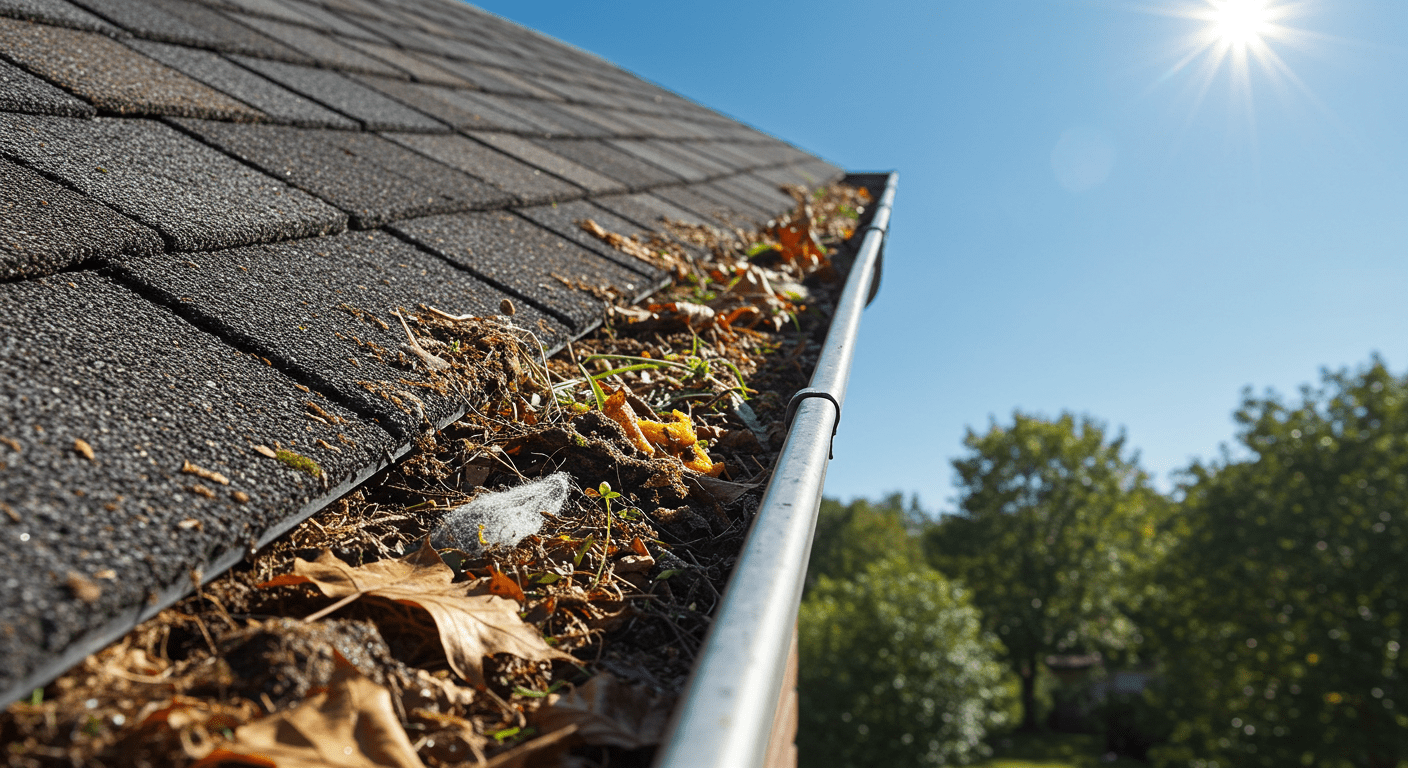
If you’ve ever dealt with a damp basement, warped siding, or surprise foundation cracks, there’s a good chance your gutters played a role. Most homeowners don’t realize just how much damage poor drainage can cause until it’s already done. Regular gutter maintenance is one of the simplest ways to protect your home from thousands of dollars in avoidable repairs.
Here are six common issues that start with failing gutters, and how a few hours of maintenance each year can help you avoid them.

1. Prevent Foundation Cracks and Settling
When gutters are clogged or broken, rainwater spills directly around your home’s foundation. Over time, that water softens and shifts the soil, which increases pressure on your foundation walls. This can cause cracking, settling, or uneven floors.
In more severe cases, it affects framing and alignment inside the house. According to Angi, foundation repair costs can range from a few hundred dollars to $35,000+, depending on severity.
What to do: After a heavy rain, walk around your home. If you see puddling near the foundation or water pouring from the sides of your gutters, it’s time to act. Use splash blocks or downspout extensions to direct water at least four feet away from the base.
2. Avoid Roof Leaks and Hidden Wood Rot
Clogged gutters cause water to back up onto the roofline. That standing water can find its way under shingles and into the roof deck, where it starts to rot the wood. Once moisture enters the attic, leaks can follow.
We’ve seen cases where relatively new roofs needed partial replacement because trapped water damaged the decking underneath. It’s rarely about the age of the roof — it’s about how well water is managed.
Keeping gutters clear lets rainwater flow off the roof as designed and prevents damage from creeping in under the surface.
3. Protect Your Siding and Trim from Water Damage
Overflowing gutters direct water down the exterior of your home. That constant moisture wears away paint, causes swelling in trim boards, and allows mold to grow behind siding panels.
This type of slow damage often isn’t noticed until it becomes visible from the ground, like peeling paint, warped boards, or bubbling surfaces. By then, repairs can involve replacing entire siding sections or trim elements.
A well-functioning gutter system protects siding by stopping the runoff before it ever touches your walls.
4. Keep Basements Dry and Mold-Free
Basements and crawl spaces are vulnerable to moisture, especially when drainage systems fail. Water near the perimeter of your home seeps through hairline cracks and builds up over time. That leads to musty smells, stains on walls, and mold growth — not to mention damage to anything stored in those spaces.
Persistent moisture also creates challenges for air quality and energy efficiency. If your HVAC system is pulling air from a damp crawl space, the impact extends beyond just smell.
Gutter maintenance prevents water from pooling near the foundation in the first place, which helps keep lower levels of your home dry and healthy.
5. Preserve Landscaping and Stop Soil Erosion
Water doesn’t just disappear when it pours over a clogged gutter. It lands directly in flower beds, mulch, and the soil surrounding your home. That can drown plants, wash away mulch, and even dig out trenches along the base of your foundation.
This kind of erosion exposes roots and creates soggy areas that take days to dry. It can also worsen other issues like uneven settling or moisture intrusion.
Using downspout extenders and checking for overflow during storms helps protect your yard as well as your structure.
6. Prevent Pest Problems Before They Start
Gutters filled with debris and standing water attract mosquitoes, ants, and even rodents. Birds and squirrels are known to nest in clogged systems, especially near the fascia boards. If those boards start to rot, pests can gain access to your attic or interior walls.
Once inside, the cleanup involves more than just removing the pests. You’re often looking at insulation repair, sealing, and sometimes professional extermination.
Clean gutters remove nesting grounds and help keep pests from moving in.
What Smart Gutter Maintenance Looks Like
You don’t need a contractor every time your gutters need care. In many cases, consistent, seasonal attention is enough to keep problems away.
Here’s what a solid gutter maintenance routine includes:
- Cleaning gutters twice a year, ideally in spring and fall
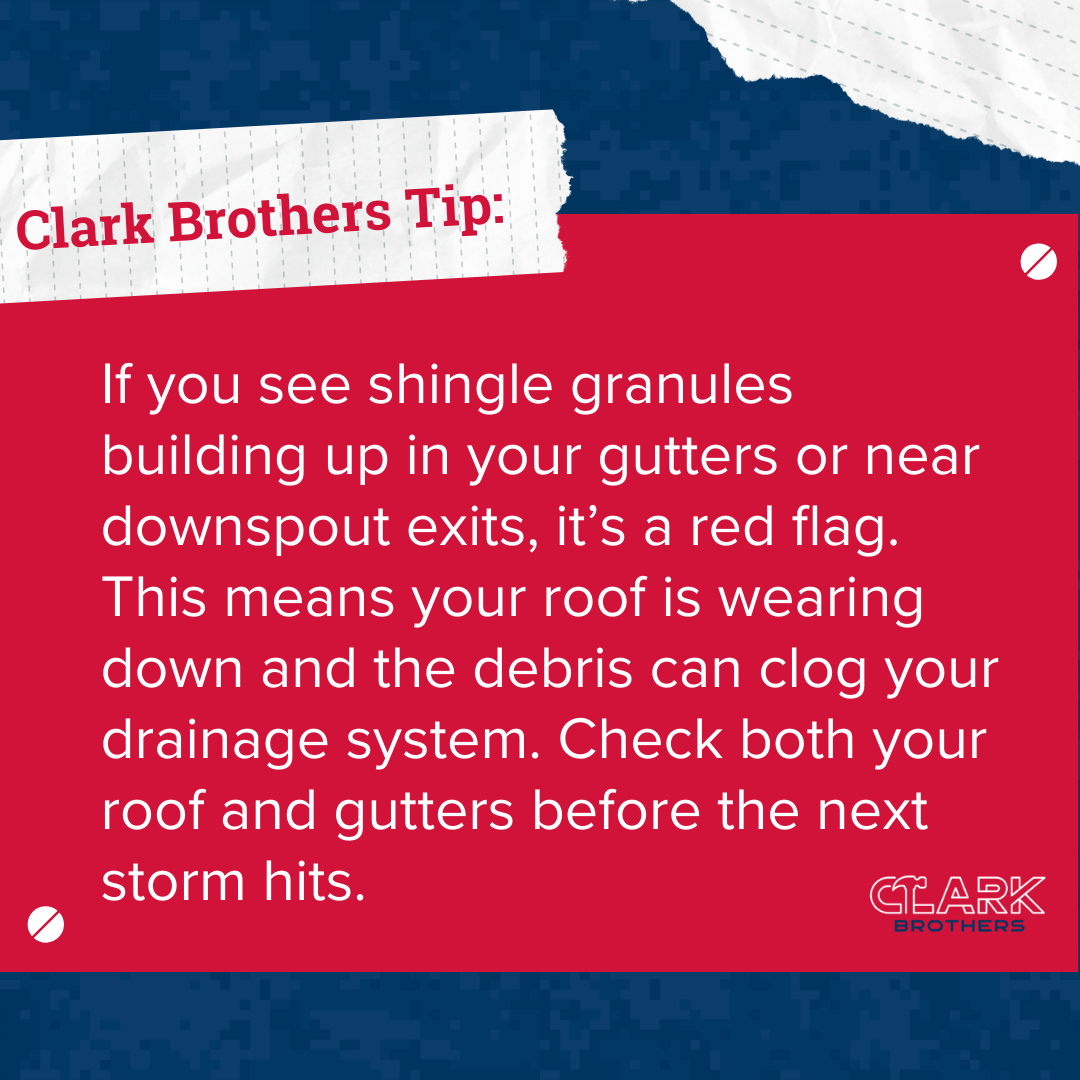
- Removing leaves, pine needles, twigs, and shingle granules
- Checking for rust, holes, or disconnected joints
- Ensuring gutters slope correctly to direct water to downspouts
- Confirming that downspouts release water at least four feet from the home
- Installing gutter guards if trees regularly drop debris on your roof
Most of these steps take less than a few hours per season and can prevent major repairs later on.
Signs You May Already Have a Gutter Problem
Not sure if your system is working the way it should? Look for these warning signs:
If water spills over during storms, gutters sag or pull away from the house, or you see stains near the roofline, something needs attention. Other signs include puddles along the foundation, granules in the downspouts, or paint peeling from nearby trim.
These signs often show up before the real damage begins. Catching them early can save you thousands.
Gutters Don’t Get the Credit, But They Do the Work
Most major water-related repairs don’t happen all at once. They start small. Water overflows, backs up, or quietly soaks into wood, concrete, or soil. By the time you notice the issue inside your home, the repair costs have already climbed.
Gutters protect your roof, your siding, your foundation, and everything in between. And they do it best when they’re cleaned and checked on a regular basis.
If you haven’t had your gutters looked at in a while, now’s the time. A short inspection could be the difference between a simple fix and a major repair.
Need a second opinion? Clark Brothers offers complimentary exterior inspections. We’ll check your gutters, roofline, and drainage system, and give you an honest assessment of what’s working and what’s not.
Click here for our ultimate guide to improving your home’s exterior.