When a storm strikes in Georgia, roof damage can happen fast and without warning. Whether you’re dealing with a leak, missing shingles, or debris that’s punctured your roof, what you do in the first 24 to 72 hours can make all the difference.
This roof repair emergency guide is designed to help you act quickly and confidently. From immediate safety steps to contractor calls and insurance claims, we’ll walk you through exactly what to do and when to do it.
At Clark Brothers, we respond to roofing emergencies with the same discipline and care that shaped our service to this country. As a veteran-owned and fully licensed roofing contractor, our team provides rapid-response repairs, emergency roof tarping, and expert storm inspections that prioritize your safety and your home’s long-term protection.
If you’re facing a roofing crisis, this guide is your action plan to take control and get your home back on solid ground.
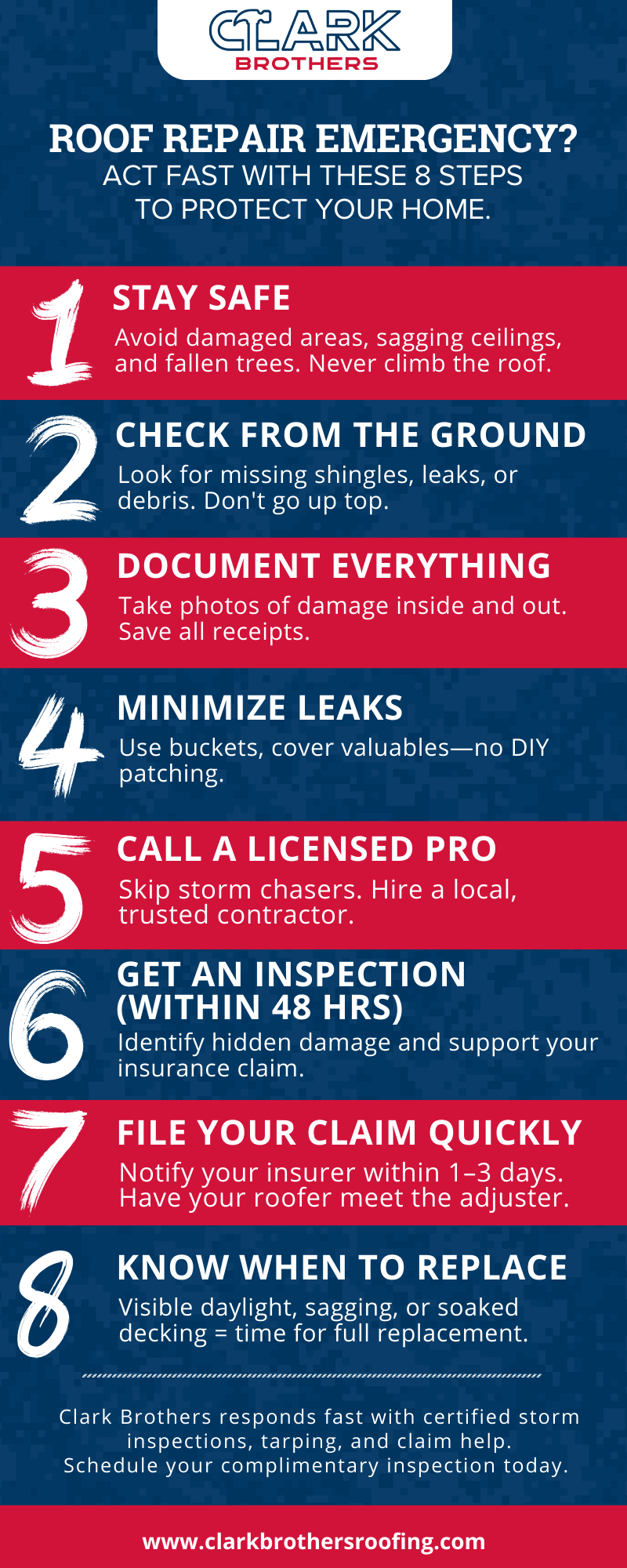
Tip #1: Prioritize Personal and Property Safety First
Before anything else, make sure you and your family are safe. In a roof repair emergency, hidden dangers like downed power lines, fallen trees, or unstable ceilings can pose serious risks.
Stay away from any hazardous areas and call emergency services if needed. Inside the home, avoid rooms with sagging ceilings or active leaks. Use buckets to collect water, cover valuables with plastic, and keep pets and children out of affected spaces.
Never climb onto the roof. Even minor damage can make it unsafe. When you contact Clark Brothers, our licensed team will assess the risk, protect your home with emergency tarping if needed, and guide you through the next steps with care and clarity.
Tip #2: Check for Visible Roof Damage From the Ground Only
After a storm, it’s important to assess the damage carefully. Do not climb on the roof. Instead, walk around your home and look for signs of roof damage from the ground.
Look for:
- Missing or curled shingles
- Bent or detached gutters
- Visible holes or debris on the roof
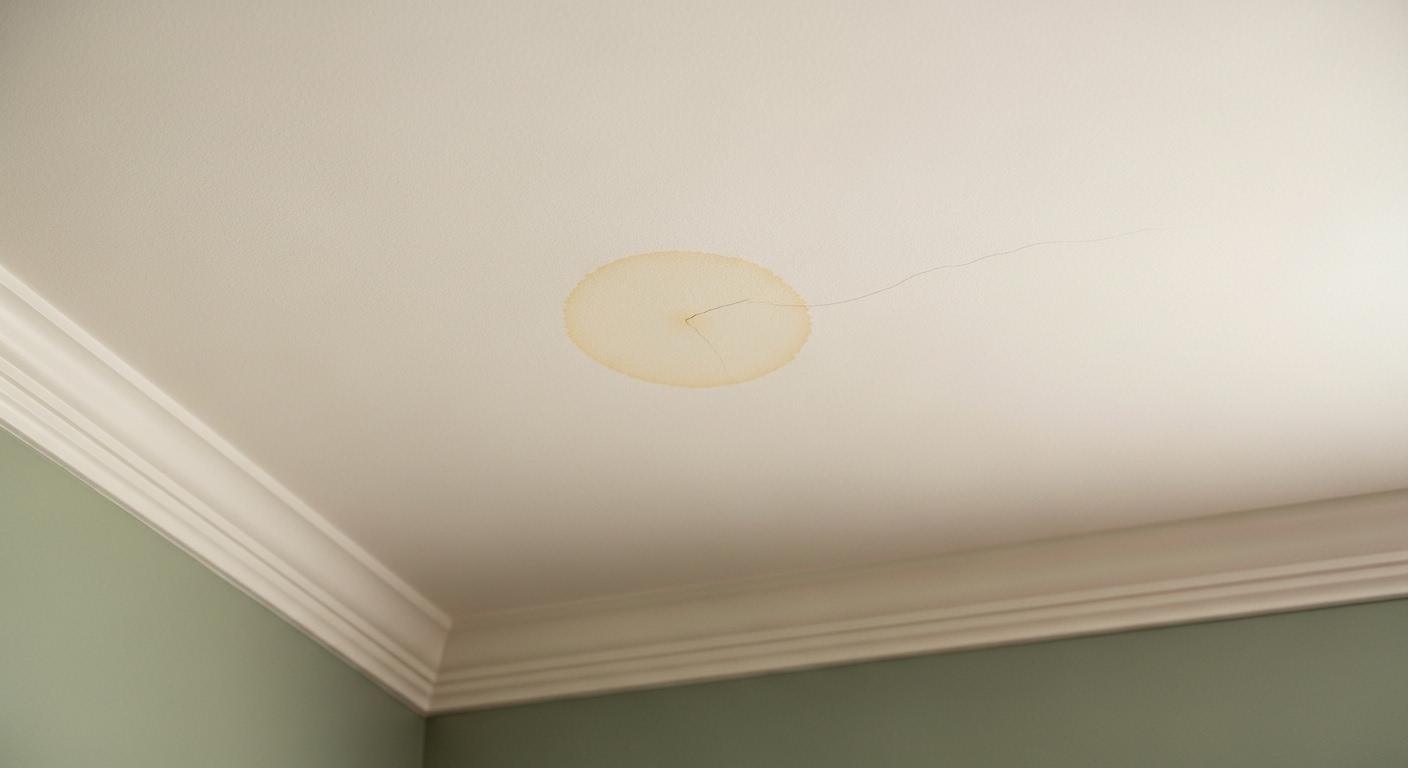
- Interior signs like ceiling stains, bubbling paint, or drips
If the attic is safe to access, check for wet insulation or daylight coming through the roof boards. These are clear signs of a compromised roofing system.
Write down what you see and take photos. This will help your contractor understand the extent of the damage and support your insurance claim.
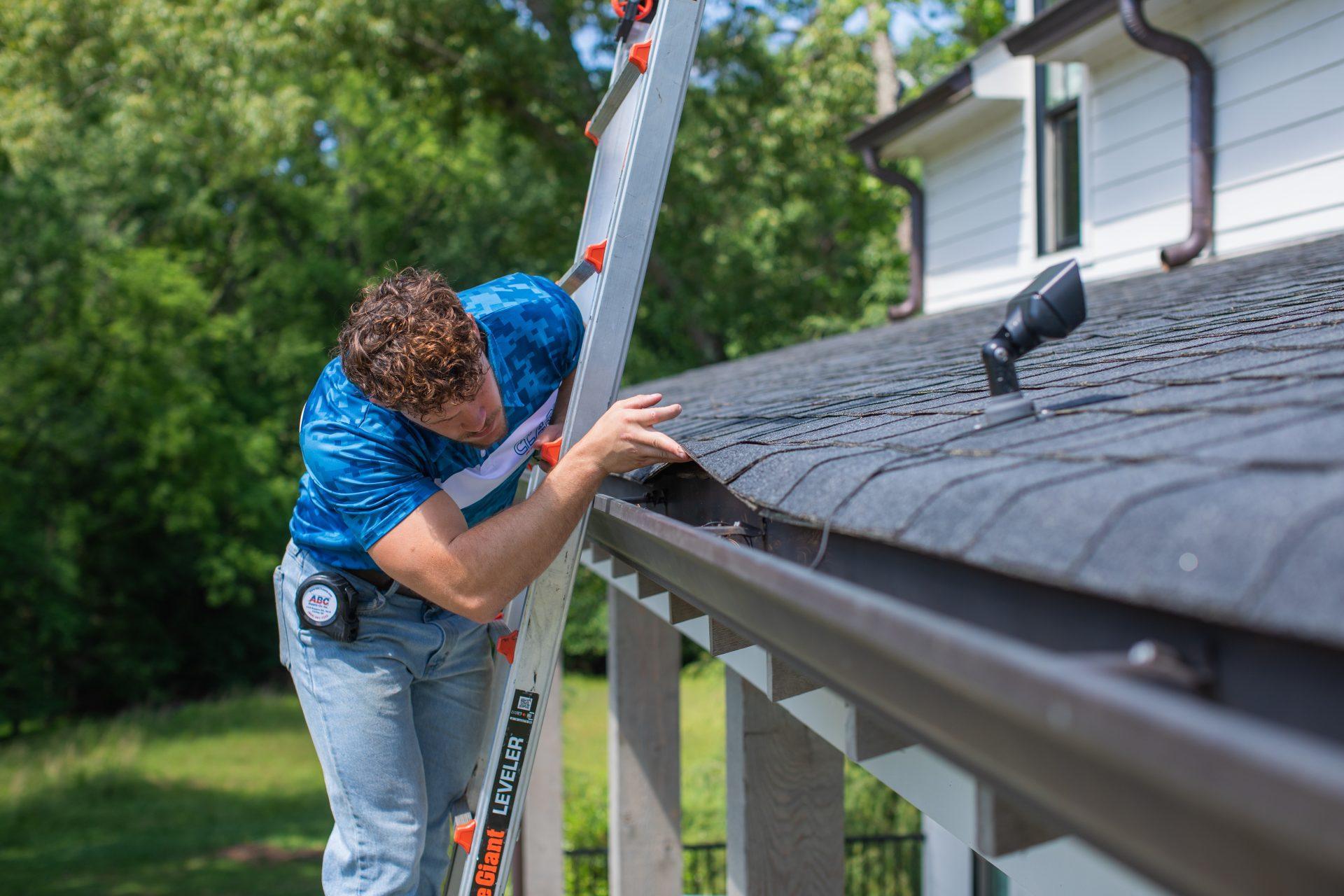
Clark Brothers provides certified emergency roof inspections that identify both visible and hidden damage quickly, helping you take the next step with confidence.
Tip #3: Document All Damage Immediately
The moment it’s safe, begin documenting everything you see. Use your phone to take clear, timestamped photos of your roof, gutters, siding, and any interior damage like ceiling stains or water pooling. Start with wide shots of your home’s exterior, then capture close-up details of any problem areas.
Inside, photograph any wet spots, peeling paint, or signs of leaks. If you purchase materials like tarps, buckets, or towels to manage water intrusion, keep all receipts. These small expenses can often be included in your insurance claim.
Early documentation gives your contractor a clear picture of the situation and strengthens your position when working with your insurance provider. At Clark Brothers, our team uses your photos, along with our certified inspection reports, to make the insurance process faster and easier for you.
Tip #4: Prevent Further Water Damage with Temporary Measures
If your roof is actively leaking, your next move is to protect your home from additional water intrusion. Start by placing containers under visible leaks to collect water. Move furniture, electronics, and personal items out of affected areas to prevent long-term damage.
You can use plastic sheeting to block off exposed areas, especially around windows or ceilings that are dripping. If the leak is near an exterior wall, towels and heavy-duty tape can help direct water into containers.
Avoid trying to patch the roof yourself. Not only is it dangerous, but DIY fixes may void parts of your insurance coverage. Temporary roof protection is best handled by a licensed roofing contractor who can install emergency tarping safely and in compliance with insurance guidelines.
Tip #5: Call a Licensed Emergency Roofing Contractor
After documenting the damage and taking temporary measures to protect your home, the next step is to contact a licensed roofing contractor who specializes in emergency response.
Choose a contractor with verified credentials, including state licensing, insurance coverage, and experience handling storm-related roof repairs. This ensures that the work is completed to code and that your safety and property are properly protected.
Be cautious of storm chasers or companies that appear in the area immediately after a storm with no local presence or long-term accountability. Reputable contractors will provide clear timelines, written estimates, and guidance on navigating insurance claims.
Working with a qualified professional helps ensure that any emergency roof repairs are performed safely and effectively, reducing the risk of further damage or complications.
Tip #6: Schedule a Professional Roof Inspection Within 1 to 2 Days
Even if the damage seems minor, a professional roof inspection is essential within the first 48 hours after a storm. Some issues are easy to spot, like missing shingles or obvious leaks, but others may be hidden beneath the surface. Water can seep into the decking or attic insulation without immediately showing inside the home.
A thorough inspection should include an exterior assessment, attic evaluation, and photo documentation. This provides a full scope of the damage and prevents small issues from becoming larger, more expensive repairs later.
Avoid relying solely on what you can see from the ground. A certified roofing specialist has the training and equipment to safely identify structural concerns, moisture intrusion, and compromised materials that the average homeowner might miss.
An inspection at this stage also gives you a clear, documented starting point for the insurance claim process, helping you avoid delays or disputes later on.
Tip #7: File Your Insurance Claim with Support from a Roofing Professional
Filing a claim during a roof repair emergency can feel like a second crisis on its own. But when you understand the steps and have the right documentation, the process becomes much more manageable.
Here’s how to navigate it effectively:
- Notify your insurance provider within one to three days of the storm. Share the date of the event and a brief description of the damage.
- Request an adjuster inspection to assess the roof damage in person.
- Gather your documentation ahead of time. This includes photos, videos, written notes, and receipts for anything you used to protect your home.
- Coordinate with your roofing contractor so they can be present during the adjuster’s visit. Their expertise helps ensure nothing is missed and that the scope of work is accurate.
- Review the approved scope of work before signing off. Make sure it includes all necessary repairs based on your contractor’s inspection report.
- Start repairs once funds are released, working with your contractor to schedule the project and finalize materials.
Having professional support during this process helps reduce errors, avoid underpaid claims, and speed up the overall repair timeline. In a roofing emergency, accuracy and speed matter.
Tip #8: Know When a Roof Emergency Calls for Full Replacement
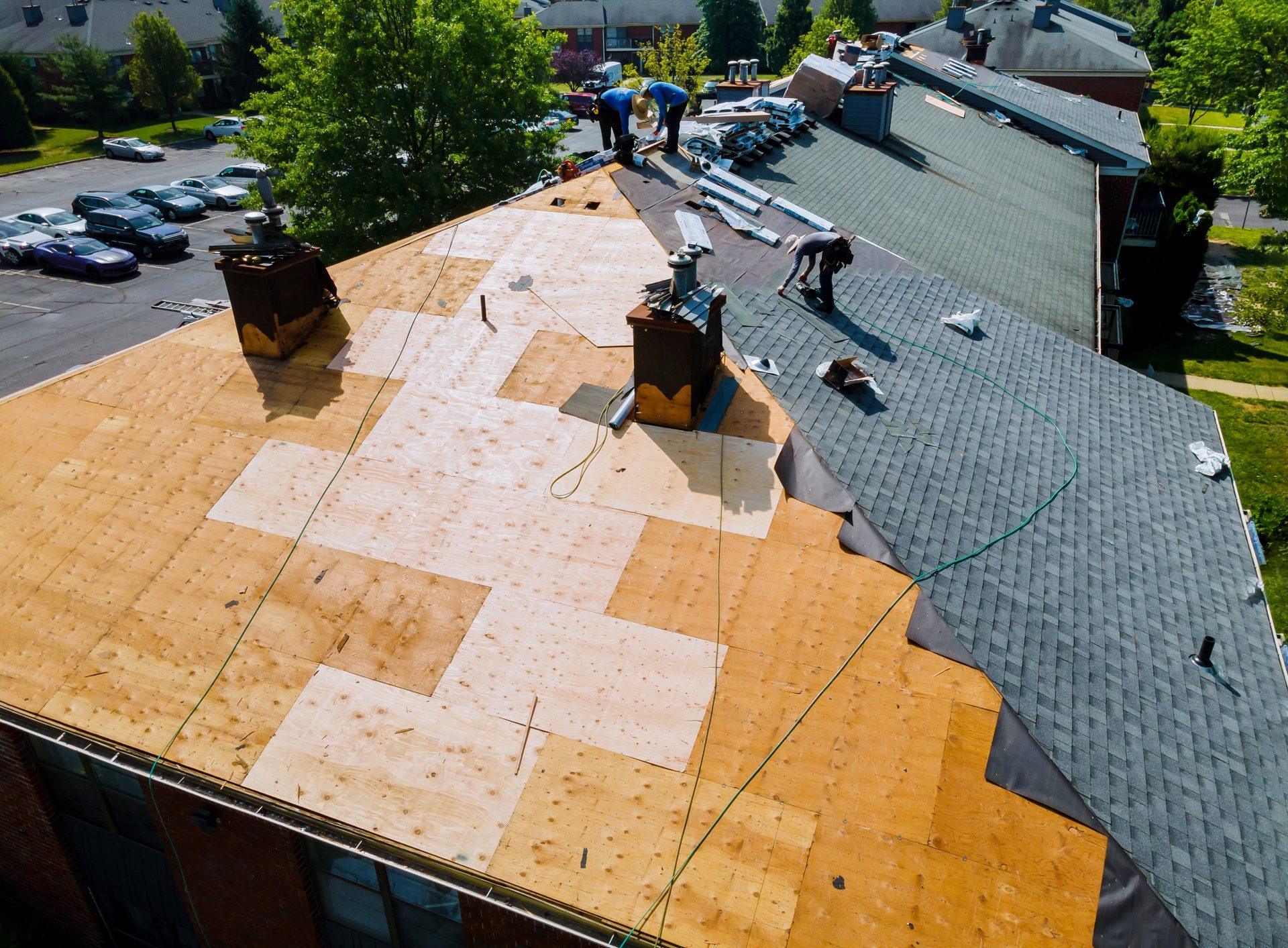
Some roof damage goes beyond what a repair can fix. If the decking is exposed, water has penetrated the structure, or daylight is visible through the attic, a full replacement is often necessary.
Other signs include sagging rooflines or ongoing leaks in multiple areas. In these situations, trying to patch the roof may only delay the inevitable and lead to more serious issues like mold or structural damage.
A proper inspection will confirm whether replacement is the safest and most cost-effective solution. In many roof repair emergencies, replacing the system is the only way to fully restore protection and prevent future problems.

Facing a Roof Repair Emergency in Georgia? Let Clark Brothers Be Your First Call
When storm damage hits, your roof needs a team you can trust to act quickly, communicate clearly, and protect your home with lasting care.
Clark Brothers brings veteran-led precision, licensed expertise, and a deep commitment to the communities we serve. We don’t just repair roofs. We help homeowners recover with confidence and clarity when it matters most.
Our brand promise is simple. Your Vision, Our Mission. In a roofing emergency, that mission starts with being there when others are not and delivering quality that holds up long after the storm passes.
If your home has been impacted, take action today. Schedule your complimentary emergency roof inspection and get the fast, professional support your home deserves.