
A new roof is a major investment, but it doesn’t have to disrupt your finances. If you’re a homeowner in Georgia and your roof needs replacing or repairs, you have more options than simply paying out-of-pocket. Roofing financing options are available to help you start your project now and spread out payments in a way that works for your budget.
In this guide, we’ll walk through the most common ways to finance a roof, what to consider when comparing payment plans, and how to avoid common pitfalls that lead to surprise costs or loan issues.
Why Roofing Financing Is Worth Considering
Roof problems are rarely something you can put off for long. Even small leaks or missing shingles can turn into major structural issues if left unchecked. The longer you wait, the more likely you’ll face higher costs due to water damage, mold, or insulation problems. Financing gives you the ability to solve the problem now and avoid costly repairs later.
It also helps homeowners manage cash flow. Instead of pulling thousands from savings all at once, you can break the total project cost into affordable monthly payments. That means you can invest in better quality materials or a longer-lasting solution without sacrificing financial stability.
What Does a New Roof Cost in Georgia?
Roofing prices vary based on material, home size, and project complexity, but here are some general ranges for Georgia homes:
-
Asphalt shingles: $5,000 to $12,000
-
Metal roofing: $8,000 to $20,000
-
Flat or low-slope roofing: $6,000 to $14,000
These figures usually include labor and materials, but don’t forget to budget for permitting, underlayment, ventilation upgrades, and wood decking repairs. These extras can add another 10 to 20 percent to the total cost. That’s why financing becomes such a practical solution for many Georgia homeowners.
The Best Roofing Financing Options for Georgia Homeowners
There are several ways to finance a roofing project, depending on your credit, equity, and overall financial goals. Here’s a breakdown of the most common options:
1. Roofing Contractor Payment Plans
Many contractors offer their own payment plans. These are often the simplest and fastest financing options because they don’t require bank applications or separate lenders.
Benefits:
-
Quick application and approval
-
Fixed monthly payments
-
No bank involvement
Things to ask:
-
Are there service fees or interest charges?
-
What happens if I miss a payment?
At Clark Brothers, we customize payment plans based on your budget and needs, so you don’t have to delay your roofing project due to upfront costs.
2. GoodLeap Financing (Offered by Clark Brothers)
We also offer flexible financing through GoodLeap. This option is designed specifically for home improvement projects, with a quick and easy online application. Many customers get approved in minutes.
With GoodLeap, you can:
-
Get competitive rates and flexible terms
-
Apply directly online with fast approval
-
Start your roofing project immediately
Apply for GoodLeap financing here.
3. Personal Loans and Home Improvement Loans
Personal loans from your bank or credit union can also be used for roofing projects. These loans are unsecured, meaning they don’t require you to use your home as collateral.
Pros:
-
Fixed interest rates and payments
-
No risk to your home
-
Funds can be used for the full project
Cons:
-
Higher interest rates than secured loans
-
Requires strong credit to qualify
If your credit is in good shape and you prefer to work through your own bank, this is a dependable option.
4. Home Equity Loans and HELOCs
If you’ve built equity in your home, you can borrow against it to fund a roof replacement or repair. A home equity loan gives you a lump sum with a fixed interest rate. A home equity line of credit (HELOC) lets you draw funds as needed.
Consider this if:
-
You have 15 percent or more equity in your home
-
You want lower interest rates
-
You’re comfortable using your home as collateral
This option is best for larger projects or when you’re combining a roof replacement with other home improvements.
5. Government Roofing Assistance Programs
There are a few federal and state programs available to Georgia residents that may help fund roof replacements:
-
USDA Section 504 Home Repair Program: Offers loans up to $20,000 and grants up to $10,000 for eligible low-income homeowners.
-
Weatherization Assistance Program (WAP): Helps with energy-efficient upgrades that can include roofing improvements.
-
Georgia ENERGY STAR Tax Credits: Homeowners may qualify for tax incentives when installing certified energy-efficient roofing materials.
These programs have income limits and application requirements, so it’s worth exploring them if cost is a concern.
How to Compare Roofing Financing Plans
Not all financing plans are created equal. Before signing anything, compare the following:
-
Monthly payment amount: Does it fit comfortably within your budget?
-
Total repayment cost: Look beyond the monthly bill to see how much interest you’ll pay.
-
Term length: Most plans range from 12 to 120 months.
-
Interest type: Is it a fixed rate or variable rate? Fixed offers predictability.
-
Prepayment penalties: Some lenders charge if you pay off early.
Also be cautious with “no interest” or “deferred payment” offers. These are helpful if you pay them off on time, but rates can jump significantly once the promotion ends.
Roofing Materials That Fit Your Budget
Your financing needs depend in part on the material you choose. Here are some of the most common options for Georgia homeowners:
-
Asphalt shingles: Affordable, durable, and easy to replace. Most popular for budget-conscious projects.
-
Metal roofing: Higher upfront cost, but lasts longer and can reduce cooling costs.
-
Cool roofing materials: Reflect sunlight and reduce energy use in hot Georgia summers.
At Clark Brothers, we primarily install CertainTeed roofing materials. As a CertainTeed ShingleMaster, we’re part of the top 1 percent of contractors nationwide, which means better warranties and product support for our customers.
When Should You Finance a Roof?
Some homeowners ask whether it’s better to save and wait or finance now. In most cases, if your roof is leaking, sagging, or has visible damage, waiting can lead to far more expensive problems down the road.
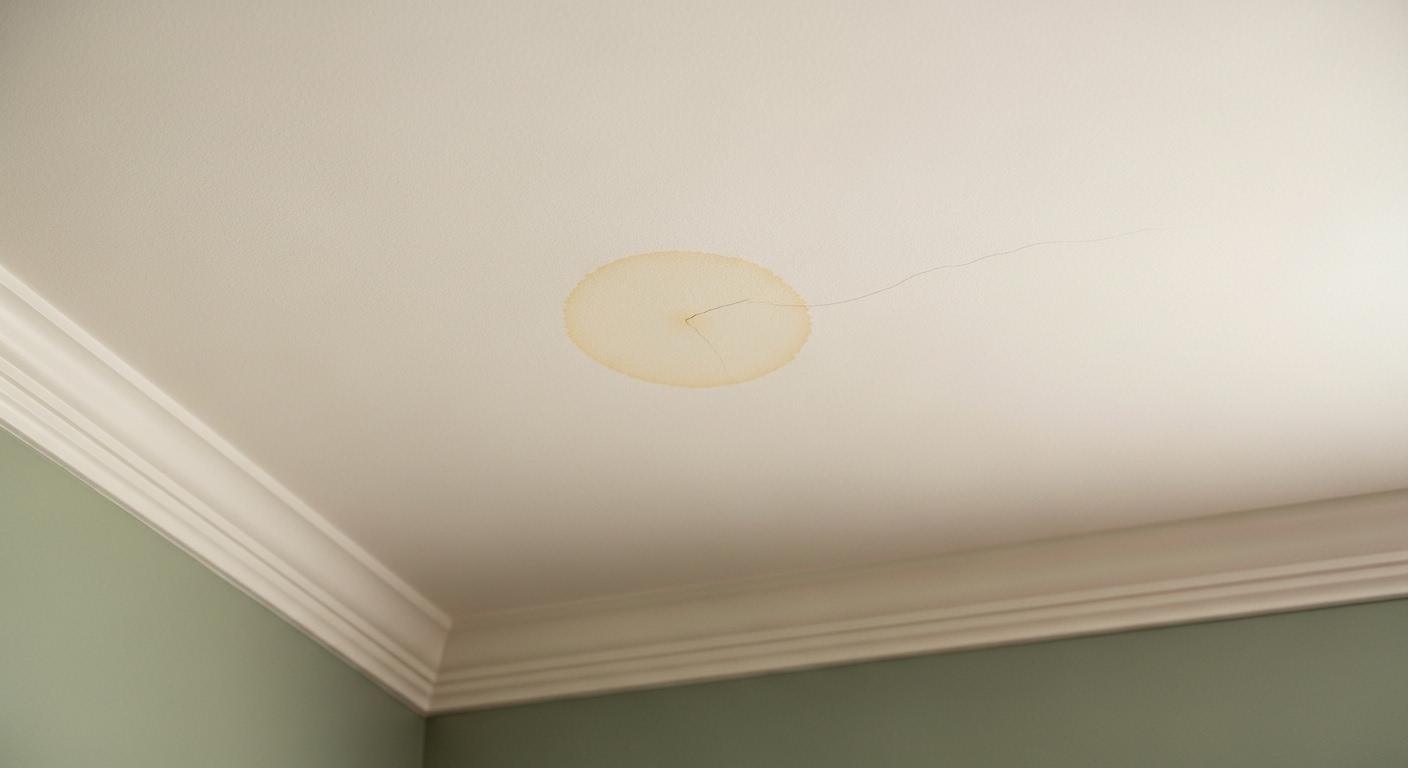
Roof leaks can cause:
-
Mold and mildew
-
Interior ceiling and drywall damage
-
Structural rot in framing
-
Insulation degradation
These hidden costs can quickly add up and are often not covered by insurance unless the damage was from a covered event.
If the cost of delay outweighs the cost of financing, it’s better to act now and protect your home’s value.
Final Takeaway: You Have Options
There are many ways to finance your new roof. Whether it’s a personal loan, in-house contractor plan, a program like GoodLeap, or a government grant, Georgia homeowners don’t have to choose between financial hardship and a safe home.
Roofing financing options allow you to explore your options before you take the next steps to a new roof or roofing repairs. By choosing the right payment plan and materials, you’ll not only protect your home but also make a smart investment in its long-term value.
If you’re unsure where to start, our team is here to help. We can walk you through all available financing options, explain the pros and cons, and help you make a decision that’s right for your home and your budget.
Get a complimentary inspection today and see what financing option works for you.