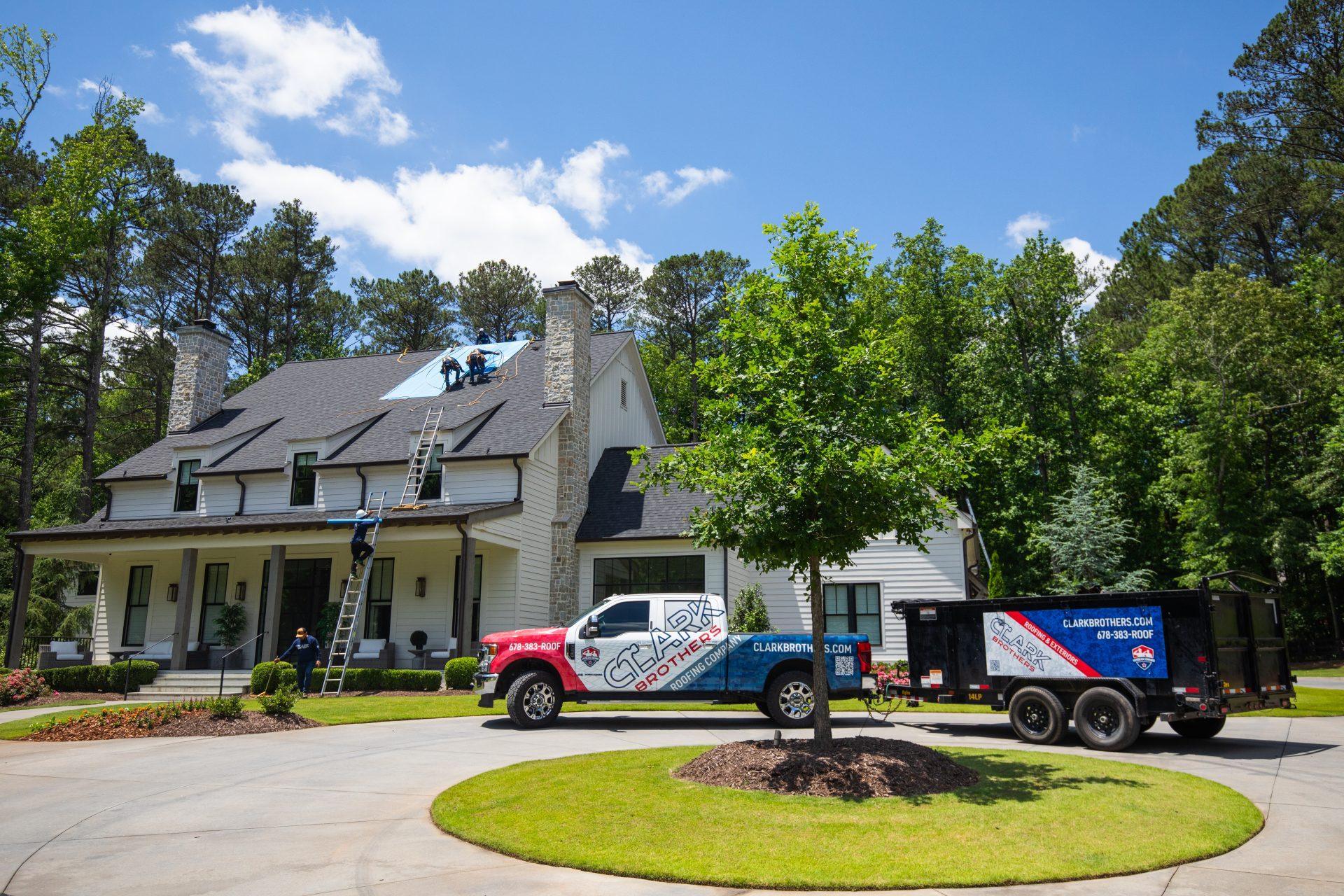
Replacing a roof is one of the most significant investments a homeowner can make. In Roswell, GA, the decision to move forward with a roof replacement often comes after years of gradual wear and tear. While storm damage can certainly accelerate the process, most roofs simply reach a point where age and exposure to the elements compromise their ability to protect the home.
Understanding when and why to replace your roof, what the process involves, and what to expect can help you make an informed decision that protects both your property and your long-term budget.
How Long Does a Roof Typically Last in Roswell?
Roof lifespan depends on a variety of factors, including materials, installation quality, weather exposure, and regular maintenance. In the Roswell area, asphalt shingle roofs are common and tend to last between 15 to 25 years, depending on the type of shingle used. Architectural shingles may stretch closer to 30 years, while metal and synthetic roofing systems can last 40 years or more with proper care.
Georgia’s heat, humidity, and seasonal storms can shorten the expected lifespan of even high-quality roofs. Prolonged sun exposure can cause shingles to dry out and crack. Poor attic ventilation may accelerate wear from the inside out. Moss and algae can grow in damp, shaded areas, weakening roofing materials over time.
Knowing the age of your roof is a key starting point. If it has been over 20 years since your last replacement, it may be time for a professional inspection, even if there are no obvious problems yet.
Signs That Your Roof May Need to Be Replaced
There are several visual and functional signs that your roof may be at the end of its useful life. Spotting these early can help prevent interior damage and more costly structural issues.
1. Curling or Missing Shingles
Shingles that are curling at the edges, cracking, or completely missing leave the underlayment exposed. This increases the risk of leaks and water damage.
2. Granules in the Gutters
Asphalt shingles are coated with protective granules. If you notice an excessive amount of grit in your gutters or downspouts, your shingles may be deteriorating faster than expected.
3. Discoloration or Staining
Dark patches on your roof may be caused by algae, while interior water stains on ceilings or walls often indicate leaks that have developed over time.
4. Sagging Rooflines
A dip or wave in the roof’s structure could be a sign of moisture damage to the decking or framing. This requires immediate attention and may point to the need for a full replacement rather than simple repairs.
5. Rising Energy Bills
A failing roof can allow hot or cold air to escape, leading to reduced energy efficiency. Poor ventilation or insulation associated with older roofing systems may be a contributing factor.
Roof Replacement vs. Repair: How to Decide
Not every roofing issue requires a complete replacement. In some cases, a repair may be enough to solve the problem. The age of the roof, the extent of the damage, and your long-term goals all factor into the right choice. Repairs are often appropriate when the damage is isolated and the roof is still relatively young. However, if the issues are widespread or the roof is nearing the end of its expected lifespan, a full replacement may be the more practical and cost-effective option. Speaking with a roofing professional can help you weigh the pros and cons specific to your home.
What to Expect During the Roof Replacement Process
Understanding the basic steps of a roof replacement can help reduce stress and set clear expectations.
1. Inspection and Assessment
The process starts with a detailed inspection to evaluate the current condition of your roof. This includes checking shingles, flashing, underlayment, ventilation, and any signs of hidden damage.
2. Proposal and Materials Selection
Once the scope of work is determined, you will receive a proposal outlining materials, timelines, and costs. You can choose from various roofing options based on durability, aesthetic preferences, and climate compatibility.
3. Tear-Off and Preparation
During the replacement, the existing roofing materials are removed down to the decking. The structure is examined for damage, and any necessary repairs are made before new materials are installed.
4. Installation
The new roof is installed following manufacturer and local code guidelines. Proper flashing, underlayment, and ventilation systems are key to ensuring the roof performs as expected.
5. Cleanup and Final Walkthrough
After installation, the work area should be thoroughly cleaned. A final walkthrough gives homeowners the opportunity to inspect the completed work and ask any final questions.
Choosing the Right Materials for Roswell Homes
In Roswell, roofing materials should be selected based on durability, energy performance, and local climate conditions.
Asphalt Shingles
Affordable and widely used, asphalt shingles come in many styles and colors. They offer good weather resistance and are relatively easy to install and maintain.
Architectural Shingles
Thicker than standard shingles, architectural options provide improved wind and weather resistance. They also offer a more dimensional, high-end look.
Metal Roofing
Metal roofs are extremely durable and energy-efficient. They are often used in both modern and traditional homes, offering a lifespan of 40 years or more.
Impact-Resistant Shingles
These shingles are designed to withstand hail and wind damage. They may qualify for insurance discounts depending on the provider.
Conclusion: When It’s Time to Replace, Trust a Local Roofing Expert
Replacing your roof is a major decision, but it does not need to be a complicated one. Knowing the signs of wear, understanding your material options, and having a clear picture of the replacement process can give you the confidence to move forward.
If your roof in Roswell is showing signs of age or you are unsure about its current condition, scheduling a professional inspection is a smart first step. A qualified local contractor can provide honest recommendations and help you protect your home with a roof that is built to last.
To learn more or to schedule a complimentary roof inspection, visit ClarkBrothersRoofing.com.
Click here for our ultimate guide to improving your home’s exterior.