When your home is damaged by a storm, fire, or flood, acting fast is critical. Roof leaks, broken siding, or structural damage can get worse with every passing day. But what if your insurance claim is still pending and you haven’t received any funds?
This is where many Georgia homeowners find themselves needing urgent repairs but unsure how to cover the cost upfront. The good news is that you can still move forward. There are safe, flexible ways to finance emergency home repairs while you wait for your insurance payout.
In this guide, we’ll walk you through the best home repair financing options available in Georgia, how to protect your claim during the process, and how to get the repairs your home needs without unnecessary delays or financial stress.

What Can I Do If I Need Repairs Now, But My Insurance Hasn’t Paid?
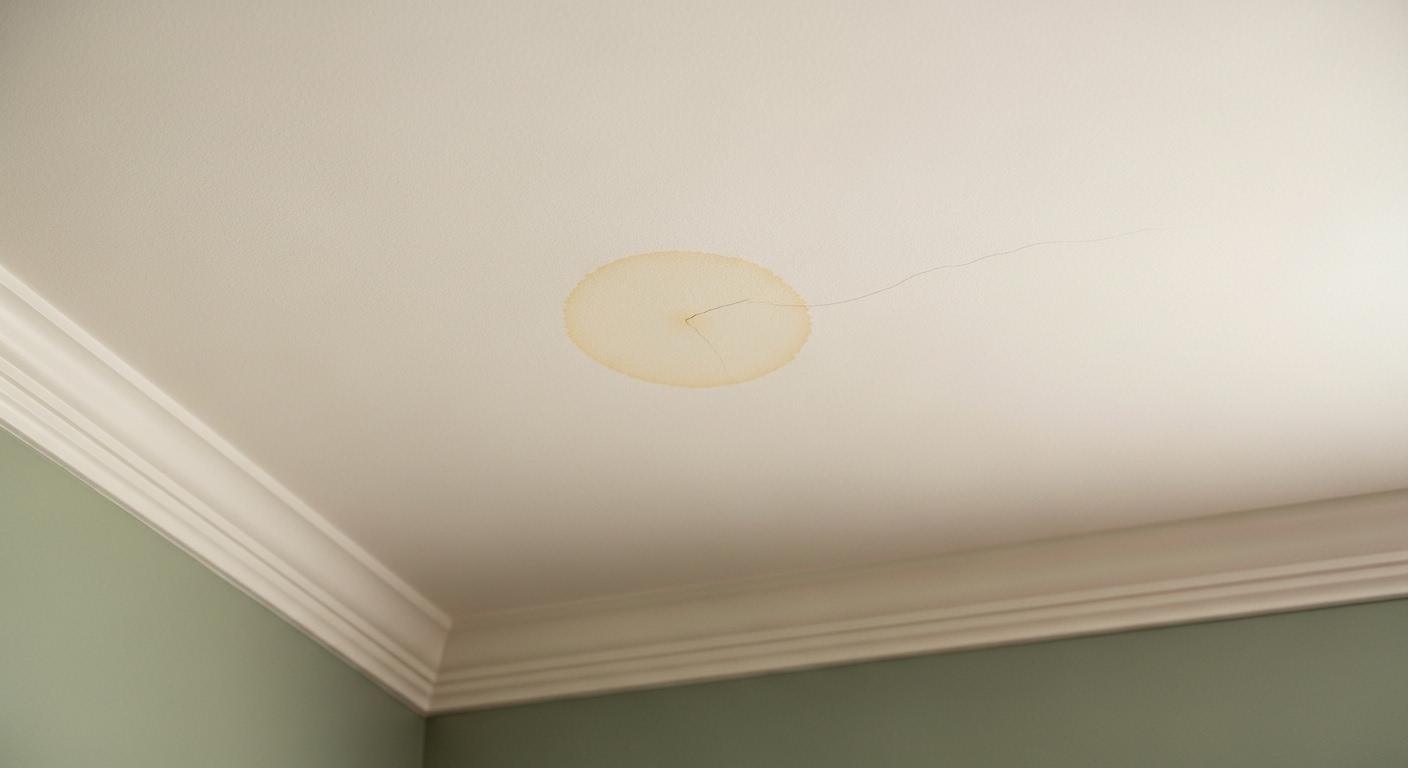
If your home has been damaged by a storm, flood, or fire, waiting on your insurance company to respond is rarely the best option. Leaks and structural issues tend to get worse quickly, and untreated damage often leads to even more expensive repairs down the line.
The good news is that you do not have to wait. Most homeowners in Georgia can begin emergency repairs right away, even while their insurance claim is still under review. In fact, many insurance policies expect you to take reasonable steps to prevent further damage.
Acting quickly helps you avoid problems like mold growth, rotting wood, or weakened framing. It also reduces the risk that your insurance company will deny part of your claim due to neglect. And from a cost perspective, repairs are almost always more affordable when they are handled early rather than after damage spreads.
If you are in this situation, the best next step is to explore how to finance emergency home repairs without relying on insurance funds upfront. With the right support, you can move forward confidently while protecting both your home and your claim.
Can I Start Emergency Repairs Before My Insurance Company Pays Me?
Yes, you can start emergency home repairs before your insurance company pays, and doing so is often necessary to prevent further damage and protect your claim.
Most insurance policies allow, and often expect, homeowners to take steps that prevent further damage while a claim is under review. If your roof is leaking or your home is exposed, waiting can increase the risk of mold, structural deterioration, and even partial claim denial due to “neglect.”
To stay protected and keep your claim on track, follow these key steps:
- Start with emergency mitigation. Temporary actions like roof tarping, boarding up windows, or water removal are usually covered. These steps are considered necessary to prevent further damage and are often reimbursed.
- Document all damage before repairs begin. Take clear photos and videos from multiple angles. Save copies securely and avoid discarding damaged materials until your adjuster confirms it’s okay.
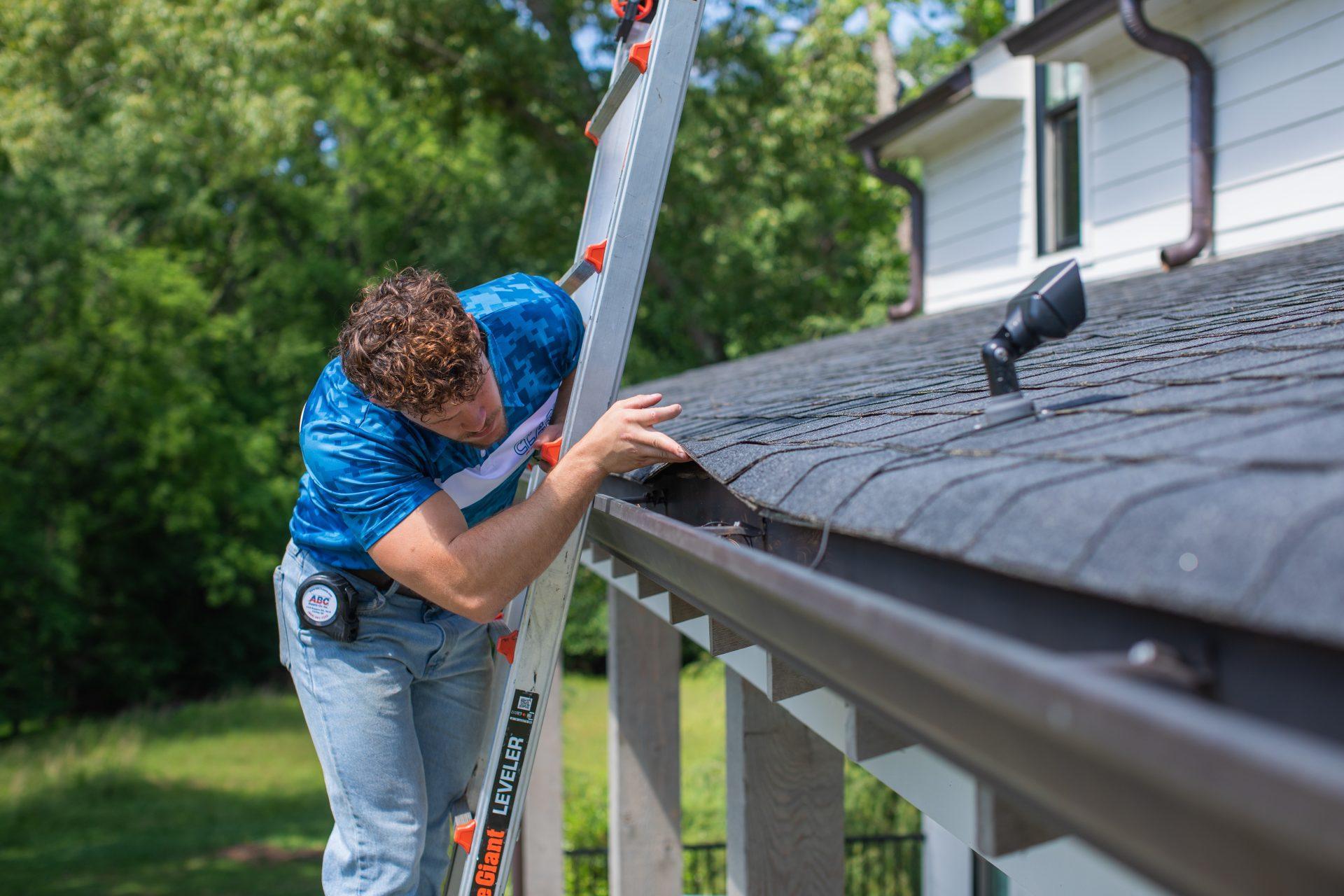
- Request a detailed inspection and written estimate. A licensed contractor should provide a report that outlines the damage and the proposed scope of work. This helps ensure alignment with your insurance coverage.
- Stay in contact with your insurance adjuster. Let them know what actions you’re taking. Share documentation, estimates, and receipts to help avoid delays or disputes in your claim.
These steps help homeowners in Georgia move forward with emergency repairs while maintaining eligibility for reimbursement. Acting quickly and carefully can make a big difference in both the cost of the repairs and the success of your claim.
What Are The Best Ways To Finance Emergency Home Repairs In Georgia?
If your home has been damaged and your insurance payout is delayed, there are still safe and reliable ways to move forward. Many Georgia homeowners choose short-term financing solutions to cover the cost of urgent repairs and avoid worsening damage.
Contractor-based financing
Many licensed contractors partner with third-party lenders to offer financing directly to homeowners. These programs can include same-day approvals, deferred interest options, and flexible monthly payments. Terms vary based on the lender, the size of the project, and your credit profile. This type of financing is often one of the fastest and most convenient ways to start repairs quickly while waiting for insurance funds.
Home improvement loans
These personal loans are available through banks, credit unions, or online lenders. They typically come with fixed interest rates and set repayment terms. Approval is based on creditworthiness and income. For homeowners with solid credit, this can be a good long-term financing option.
Credit cards or personal lines of credit
Some homeowners use credit cards or a personal line of credit as a temporary solution. While convenient, this method usually carries higher interest rates. It’s best suited for short-term use, especially if you expect to repay the balance once insurance funds arrive.
State and local financial assistance
In certain cases, Georgia residents may be eligible for grants or low-interest loans through local agencies or state-level emergency programs. This type of aid is more common after federally declared disasters. Contact your county emergency services office or the Georgia Department of Community Affairs to explore available options.
Choosing the right financing method depends on your specific needs and timeline. The goal is to secure your home quickly without putting long-term strain on your finances.
How Do I Choose The Right Financing Option For My Situation?
Understanding your financing options is important, but choosing the right one depends on your specific circumstances. If repairs need to happen immediately, solutions with same-day approval may be more practical than traditional loans. When you expect your insurance payout to arrive soon, short-term financing with deferred interest or no prepayment penalty can help you bridge the gap without long-term debt.
It’s also important to consider your monthly budget. Fixed-payment options may offer predictability, but only if the payments fit comfortably into your finances. Your credit score can also impact your eligibility and loan terms, so reviewing that ahead of time can help you decide which path to pursue.
If you’re thinking about upgrades beyond what insurance will cover, such as a full roof replacement or upgraded materials, be sure to choose financing that gives you the flexibility to roll in those added costs. The best option is the one that balances urgency, affordability, and peace of mind — allowing you to protect your home without putting your finances at risk.
How To Vet A Contractor Offering Emergency Financing
After a storm, it’s common to receive offers from contractors promising fast repairs and easy financing. Before you commit, make sure the company is credible, and the financing terms are clear.
- Check licensing and insurance
Contractors should be licensed in Georgia and carry both liability and workers’ comp insurance. - Review financing terms in writing
Get the interest rate, payment schedule, and total project cost in writing. Avoid vague offers or pressure tactics. - Confirm local presence and reviews
Choose a contractor with a verified track record in your area. Be cautious of out-of-state companies that show up after storms. - Ask about insurance claim experience
A contractor who understands insurance coordination can help avoid delays or disputes with your claim.
A little upfront research can protect you from costly mistakes, especially when financing is involved.

Will Insurance Still Reimburse Me If I Finance My Home Repairs?
Yes, you can finance emergency home repairs and still receive reimbursement from your insurance company. As long as the repairs align with the approved scope of your claim and proper documentation is submitted, the source of payment doesn’t affect eligibility.
Many homeowners choose to finance repairs upfront to avoid delays. Once the insurance check arrives, you can pay off the loan, continue with monthly payments, or reimburse yourself if you used a mix of savings and financing.
Financing simply allows you to protect your home now while waiting for insurance to catch up.
Should You Finance Emergency Home Repairs Now Or Wait For Your Insurance Payout?
Waiting on insurance might seem like the safer option, but delaying emergency home repairs can lead to bigger problems. Active leaks, water damage, and structural exposure often get worse with time, and that can increase your costs or put part of your claim at risk.
Financing emergency home repairs allows you to act quickly, prevent further damage, and avoid potential coverage issues tied to neglect. It also helps you secure a trusted contractor before availability becomes limited after major storms.
If your home is compromised, financing is often the more responsible path forward, helping you protect your property while your claim is still being processed.
Take the First Step Toward Protecting Your Home
Waiting on insurance does not have to mean leaving your home vulnerable. With flexible financing options and a team that understands the stress of emergency repairs, Clark Brothers gives you the confidence to move forward. Our licensed professionals offer complimentary inspections, honest assessments, and personalized repair plans that work with your situation, not against it.
As a veteran-owned company built on trust, craftsmanship, and clear communication, we are here to guide you through every step. If your home is damaged and your claim is still in process, you do not have to wait or worry alone. Let us help you protect what matters most with the care and respect you deserve.
Schedule your free inspection today and get a custom repair and financing plan that gives you peace of mind and a path forward.