A severe storm just rolled through, and now you’re left wondering—how bad is the damage? A compromised roof can lead to leaks, structural issues, and expensive repairs if not addressed quickly. When disaster strikes, quick action and the right decisions can mean the difference between a simple repair and a costly, drawn-out problem.
In this guide, we’ll walk you through how to assess storm damage, apply temporary fixes, and choose the right professionals for emergency roof repair.
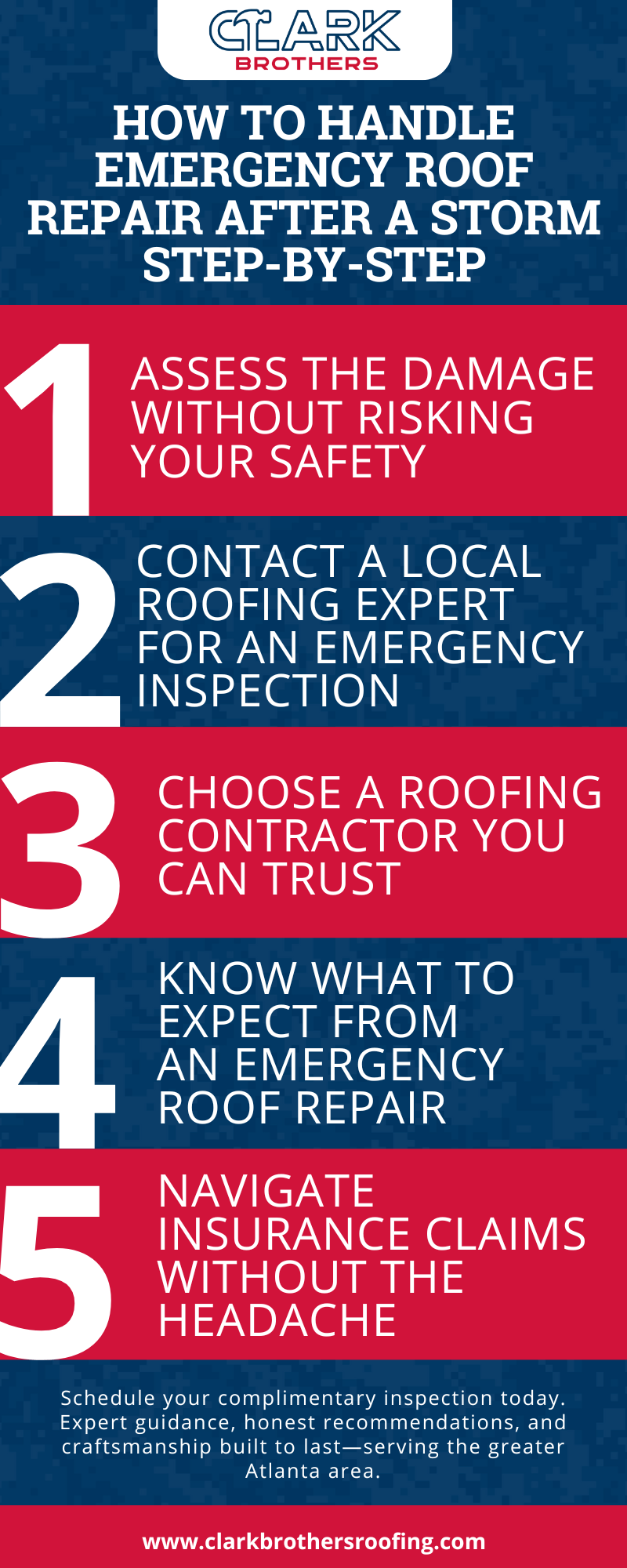
Step 1: Assess the Damage Without Risking Your Safety
After a storm, your first step is to check for visible signs of damage. Your first instinct might be to climb up and take a closer look, but that can do more harm than good. A compromised roof isn’t just damaged—it’s unpredictable. Instead, start with a ground-level inspection to check for these warning signs:
Signs of Roof Damage to Look For
- Missing or broken shingles – High winds can tear shingles off, leaving your roof vulnerable to leaks.
- Water stains on ceilings or walls – Even small stains can indicate a roof leak that needs immediate attention.
- Large amounts of granules in gutters – If you notice a buildup of granules, your shingles may have sustained damage.
- Tree limbs or debris on the roof – Impact from fallen branches can cause structural damage and punctures.
If you notice any of these issues, it’s time to bring in a professional. The sooner you act, the more you can prevent hidden damage from turning into a major problem.
Step 2: Contact a Local Roofing Expert for an Emergency Inspection
Every minute counts when it comes to stopping leaks and preventing further deterioration. That’s why the best thing you can do after a storm is to schedule an emergency roof inspection with a trusted, local roofing professional.
Why Immediate Inspections Matter:
- Prevent Hidden Damage from Getting Worse – Some storm damage isn’t immediately visible. A professional inspection can uncover issues like loose flashing, lifted shingles, or small punctures that could turn into leaks.
- Protect Your Home from Further Water Intrusion – If your roof is compromised, a roofer can apply emergency tarps or temporary waterproofing to keep your home safe until repairs can be made.
- Start the Insurance Claim Process Sooner – Many policies require timely reporting. Getting an inspection immediately helps document the damage properly and ensures you receive the coverage you deserve.
What NOT to Do:
- ❌ Don’t Climb Onto Your Roof – It may be unstable, slippery, or structurally compromised. Let trained professionals handle the inspection safely.
- ❌ Don’t Attempt DIY Roof Repairs – Quick fixes like nailing down shingles can actually cause more damage and may void your warranty or insurance coverage.
- ❌ Don’t Ignore Small Leaks or Water Stains – What looks like a minor issue now can lead to mold, rot, and costly structural damage in just a matter of weeks.
Step #3: Choose a Roofing Contractor You Can Trust
After a storm, it’s common for roofing contractors to flood into affected areas, offering quick repairs. While some may be reputable, many are storm chasers—companies that arrive after disasters, complete low-quality work, and leave town before issues arise.
Choosing a roofer is about more than just repairs—it’s about trust. Your home deserves more than a quick patch-up job. It deserves a solution that lasts.
What to Look for in a Roofing Contractor
- Licensed & Insured – A reputable contractor should have the proper credentials to protect you from liability. In Georgia, where licensing requirements are minimal, voluntary certifications and manufacturer-backed credentials matter even more.
- Years in Business – Have they been around more than 2-3 years? Some roofers continuously start new “companies” to avoid following through on “warranty work” or because they’re just a pop-up storm chasing company!
- Locally Established – A contractor with a strong community presence will be available for follow-ups, ongoing service, and warranty support.
- 24/7 Emergency Services – Storm damage can’t wait, and a reliable contractor should be able to respond quickly.
- Proven Reputation – Check Better Business Bureau (BBB) ratings, industry certifications, and customer testimonials to confirm a history of quality work.
Red Flags to Watch For
- Full payment upfront – Reputable contractors only require deposits, never full payment before work begins.
- No written estimate – Transparency in pricing is essential; avoid any contractor who refuses to provide detailed quotes.
- High-pressure sales tactics – A trusted professional will walk you through options, not rush you into signing a contract.
- No Licensing – In Georgia, it is not required for contractors to have or maintain a license to perform these services so scam companies are prevalent.
The roof over your head is too important to gamble on. Choose a contractor who values quality as much as you do.
At Clark Brothers, we measure success by trust, not transaction value. Our team is built on principles of service, accountability, and expert craftsmanship—because when it comes to your home or business, cutting corners is never an option. Our team is licensed, insured, and highly rated for our fast, professional service. Here are a few to highlight:
- General Contractor License – Allows for new construction, structural repairs, and complex roofing projects.
- CertainTeed SELECT ShingleMaster™ – A certification held by only 1% of roofers nationwide.
- James Hardie Preferred Contractor – Ensures siding is installed to manufacturer specifications, protecting product warranties.
- National Roofing Contractors Association (NRCA) & Georgia Roofing Contractors Association (GARCA) – Membership in these organizations demonstrates a commitment to ethical practices and continued education.
Step 4: Know What to Expect from an Emergency Roof Repair
When you work with a contractor who holds themselves to a higher standard, here’s what you can expect:
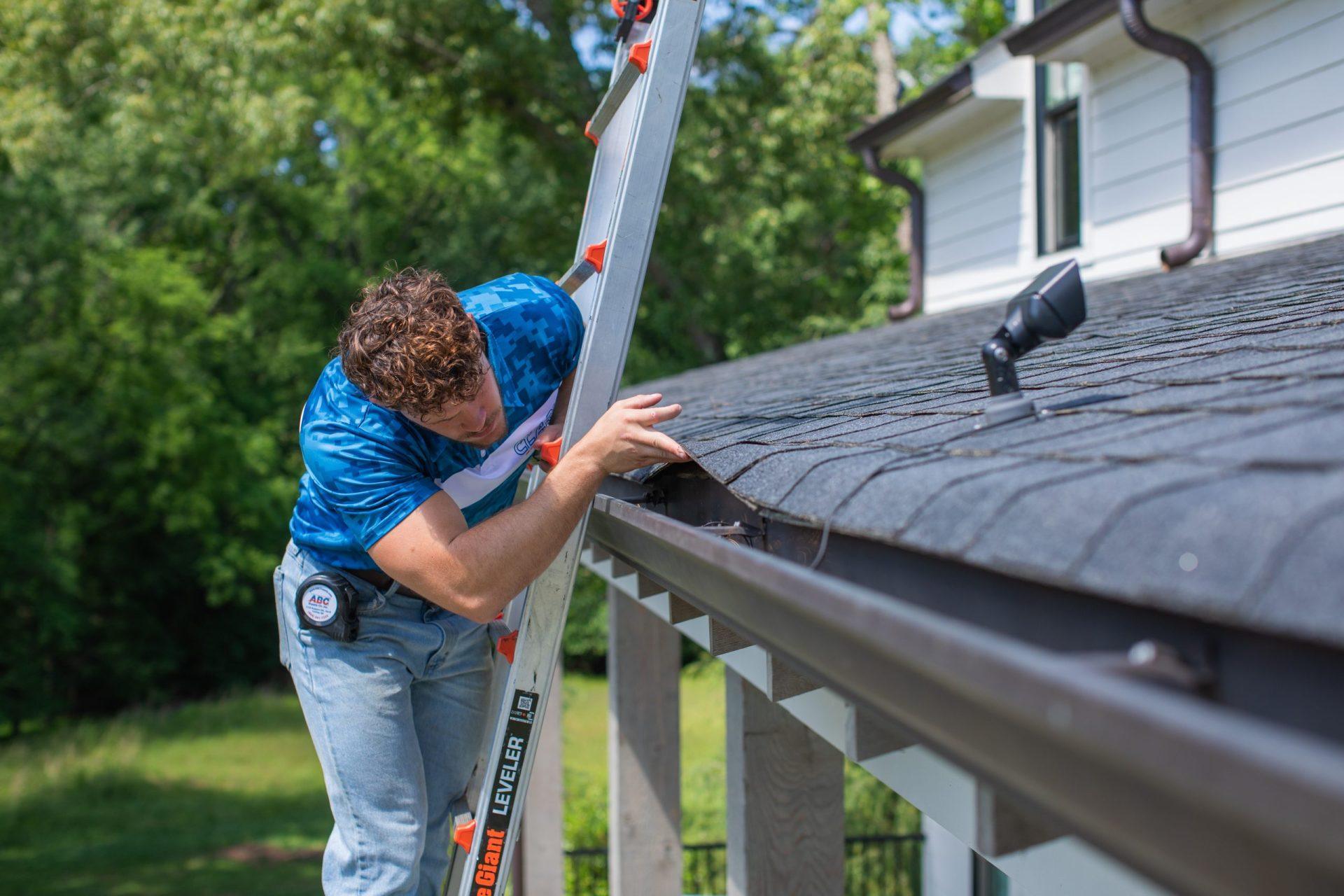
- A thorough inspection – Your roofer should look beyond surface-level damage. Hidden problems are just as important to identify.
- Emergency protection – If immediate repairs aren’t possible, a professional can help secure your roof to prevent further damage until it can be properly inspected.
- A detailed report – Clear documentation helps ensure you get what you need for insurance claims.
- A repair or replacement plan tailored to your home – No cutting corners. No rushed jobs. For minor damage, repairs may involve replacing shingles, flashing, or underlayment. If the damage is severe, a full roof replacement may be necessary.
- A final inspection to guarantee the job is done right—because in roofing, “good enough” is never enough.
Step 5: Navigating Insurance Claims Without the Headache
Filing an insurance claim shouldn’t feel like a battle—but for many homeowners, it does. Missed details and miscommunication can lead to delays, denials, or unexpected out-of-pocket costs.
The good news? You don’t have to go through it alone.
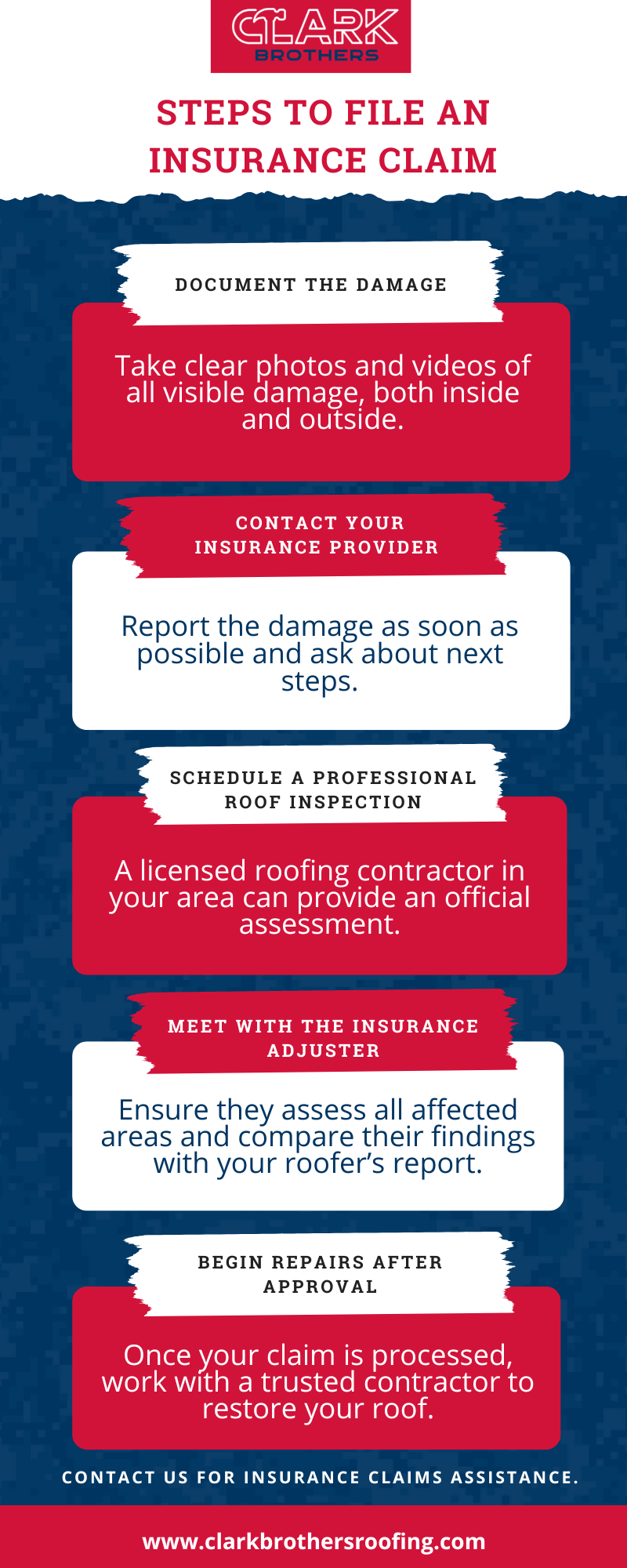
Our team helps you navigate the insurance process from start to finish. We work directly with adjusters and advocate on your behalf, ensuring you get the coverage you deserve.
When the Storm Clears, We Get to Work
Storm damage can’t wait, and neither do we. At Clark Brothers we move fast—protecting homes, restoring security, and delivering quality that lasts.
We don’t cut corners, and we don’t fail missions. Every project gets the precision, integrity, and expert craftsmanship it deserves.
Hard Work. Honest Service. Always.
From emergency repairs to full roof replacements, we don’t just restore roofs—we restore confidence in your home.Storm Damage? Act Now.
The longer you wait, the worse the damage gets. Call now for a 24/7 emergency roof inspection.
Click here for our ultimate guide to improving your home’s exterior.